Appling, Evans
Panel Replacement for Appling's Early-1980s Garage Doors
Appling homes mostly date to 1981, earlier than the surrounding area's 1988 median. We bring panel stock and matching hardware on the 10-mile drive from Evans.
Doing It Yourself
Appling sits ten miles out from our shop in Evans, and that drive shapes how a panel job here actually works. We don't keep a second set of trucks parked closer to you, so when we come out, we come loaded - we need to know the door's age and section height before we leave, not after we're standing in your driveway.
Exact match is key
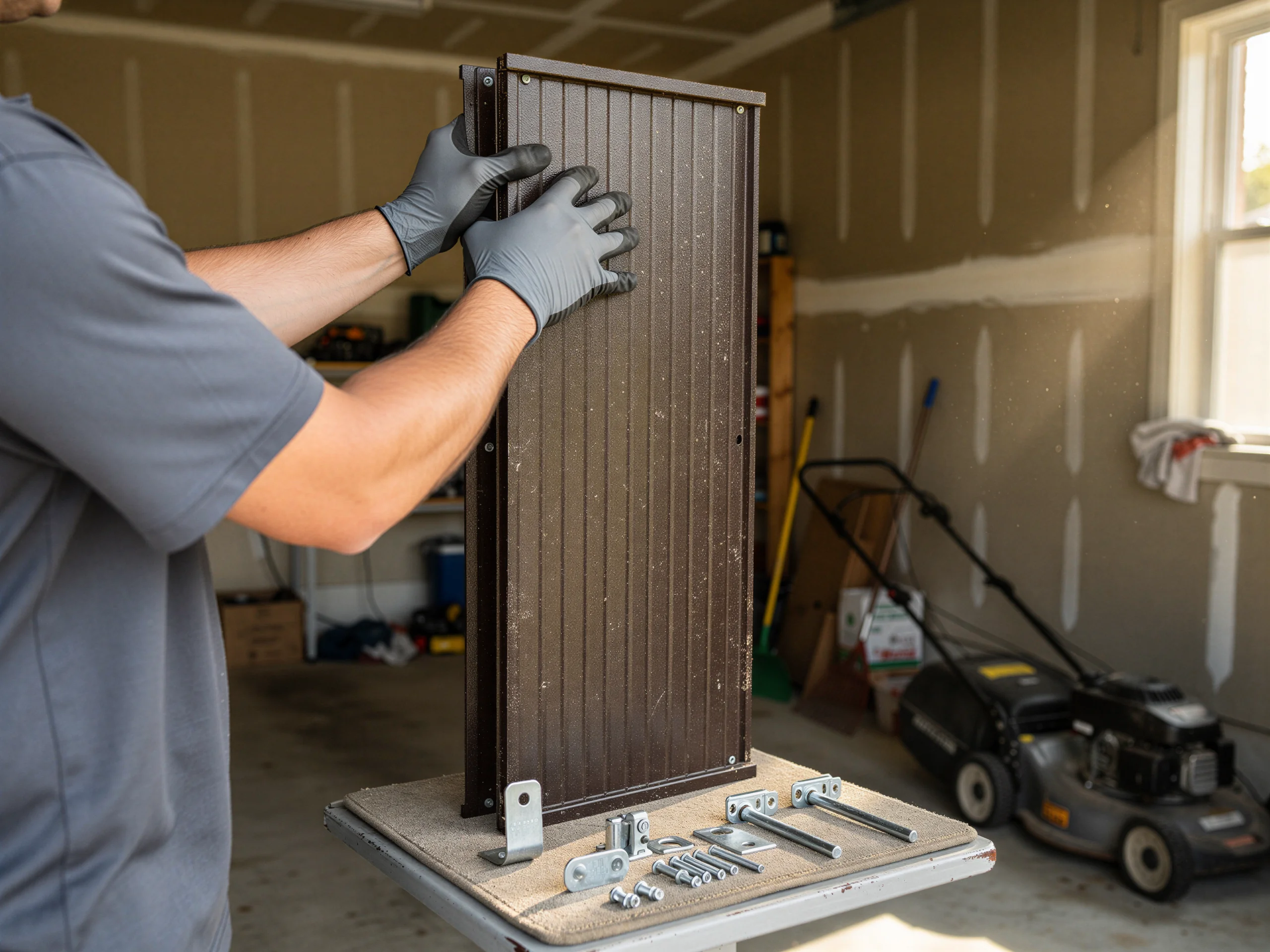
If you're set on doing this yourself: a single dented panel on a steel sectional door is a bolt-out, bolt-in job if you can get the exact match. That's the hard part.
Stock styles missing
Appling's housing runs older than the newer subdivisions closer to Evans - most of what's here went up around 1981 - so the door on your garage may already be a style the big box stores don't carry.
Measure sections and style
Measure the panel height and the number of sections before you order anything, and check whether your door uses a raised-panel or flush design. Guessing wrong means a return trip and a restocking fee from whoever you ordered through. If the door is out of production, you're better off calling before you buy.
Where This Job Goes Sideways
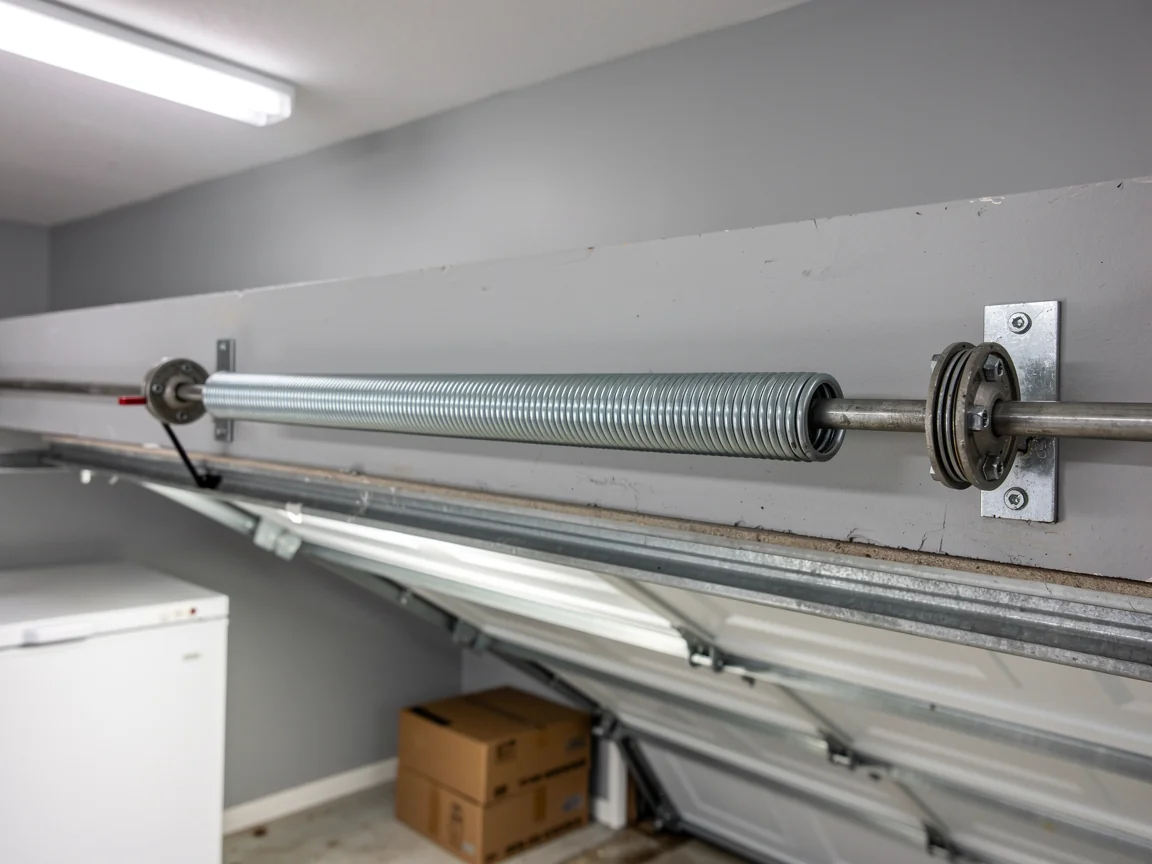
The failure we see most isn't the panel itself - it's the track and hinge hardware around it. A door built in the early 1980s has had forty-plus years to collect surface rust on the hinges, and swapping one panel without checking the hinges on either side means the new panel gets bolted to hardware that's already stretched or pitted. The door looks fixed for a month, then starts binding. Another way it goes sideways: ordering a panel by color match alone. Paint fades differently depending on sun exposure, and a replacement that looked right in a catalog photo can sit two shades off once it's hung next to thirty-year-old weathered steel. We check the full section, not just the dent, before we quote anything - that's the only way to avoid a second trip over the same ten miles.
What the Repair Takes
A straight panel swap on a door that's otherwise sound is a shorter job than most homeowners expect - the panel comes off its hinges, the new one goes on, the hinges and rollers get reseated, and the door gets run through a full open-close cycle to check for binding.
Sourcing sets timeline
Where it runs longer is sourcing. Appling's older housing stock means some doors use panel profiles that aren't a same-day order, and we won't install a mismatched panel just to finish faster. We'd rather tell you the lead time up front than hand you a door that doesn't close square.
Cracks need real repair
One thing we don't do: patch a cracked panel with filler and call it a repair. On steel sections, a crack spreads with temperature swings, and filler just hides it until it doesn't.
Why It Happens Here
Appling's garage doors are mostly original to houses built around 1981, which puts them ahead of the area's broader 1988 median - these are some of the older sectional doors we see on this side of the territory. Thirty-plus years of opening and closing wears hinge pivot points and rollers long before most owners notice, and a stressed hinge concentrates force on the panel next to it until the steel dents or buckles under normal use, not an accident. Georgia's moderate heat band doesn't freeze-crack panels the way a colder climate would, but it does mean steady thermal expansion and contraction on steel doors year-round, which loosens fasteners over time. With roughly 275 households in this pocket and a median income near $85,600, we see owners here choose a single panel swap over a full door replacement more often than not - the hardware underneath is usually still sound enough to carry a new panel for years.
Questions
Common questions
Is it worth replacing one panel on an older Appling garage door, or should I replace the whole door?
If the track, hinges, and rollers are still square and turning freely, one panel is usually the right call - we've seen it hold up fine on doors from this era. If more than one section is dented or the hardware is visibly rusted through, a full door often ends up cheaper than chasing parts one at a time.
Can you match the panel color on a 1980s-era door?
We do our best, but original paint on a door this old has usually faded unevenly from sun exposure, and a factory-fresh panel won't match perfectly on day one. It typically blends in within a season or two as the new panel weathers.
Do you keep panels in stock for a same-day job in Appling?
Not always. Appling's housing dates mostly to the early 1980s, and some of those panel profiles aren't something we carry on the truck without knowing the make ahead of time. We'll tell you the lead time before we schedule the drive out.
Explore more
More Services in Appling
Emergency Garage Door
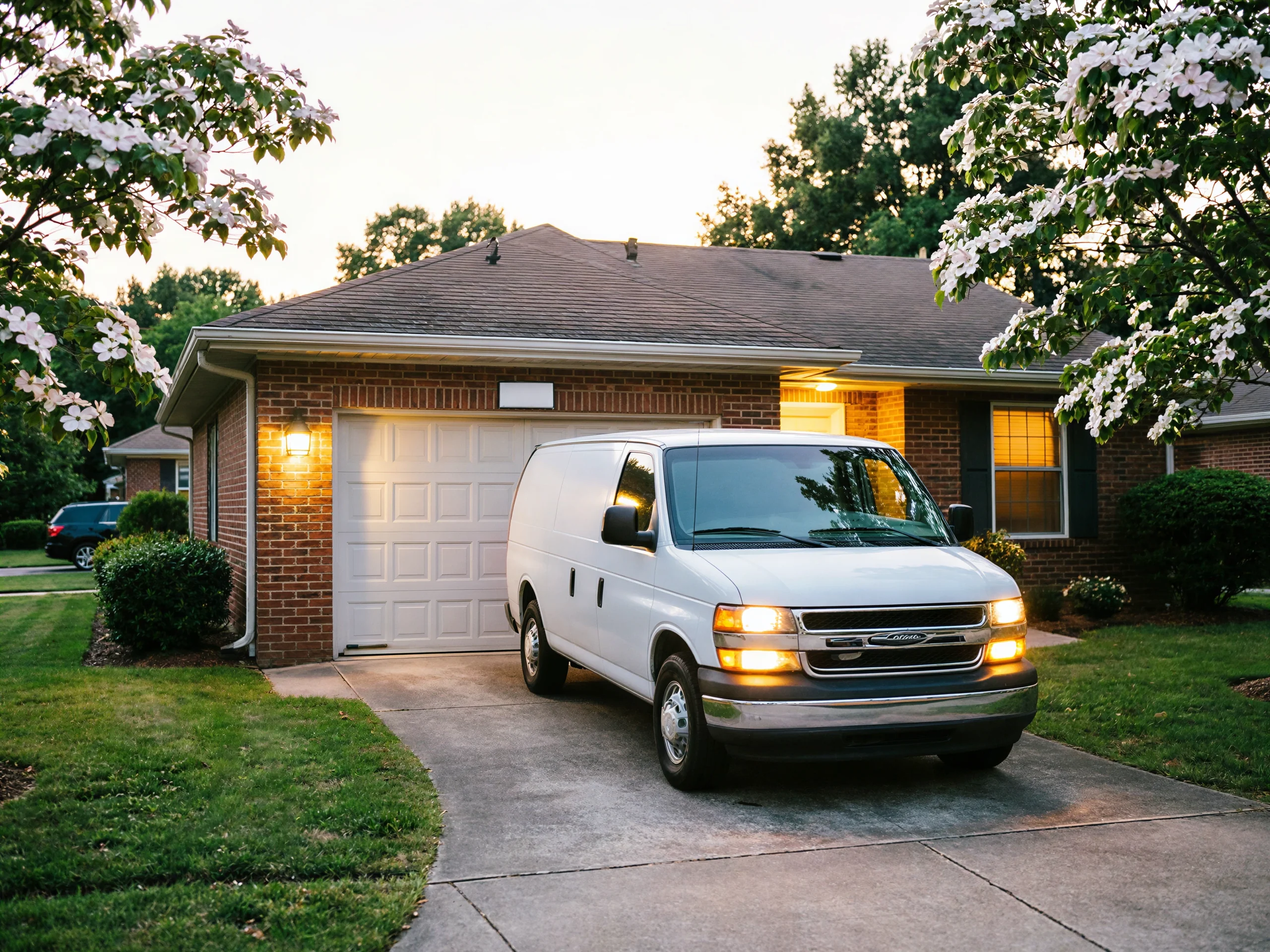
Evans Garage Door Pros drives to Appling for broken springs, stuck tracks and dead openers on homes built mostly in the early 1980s, ten miles from our shop in Evans. Learn more →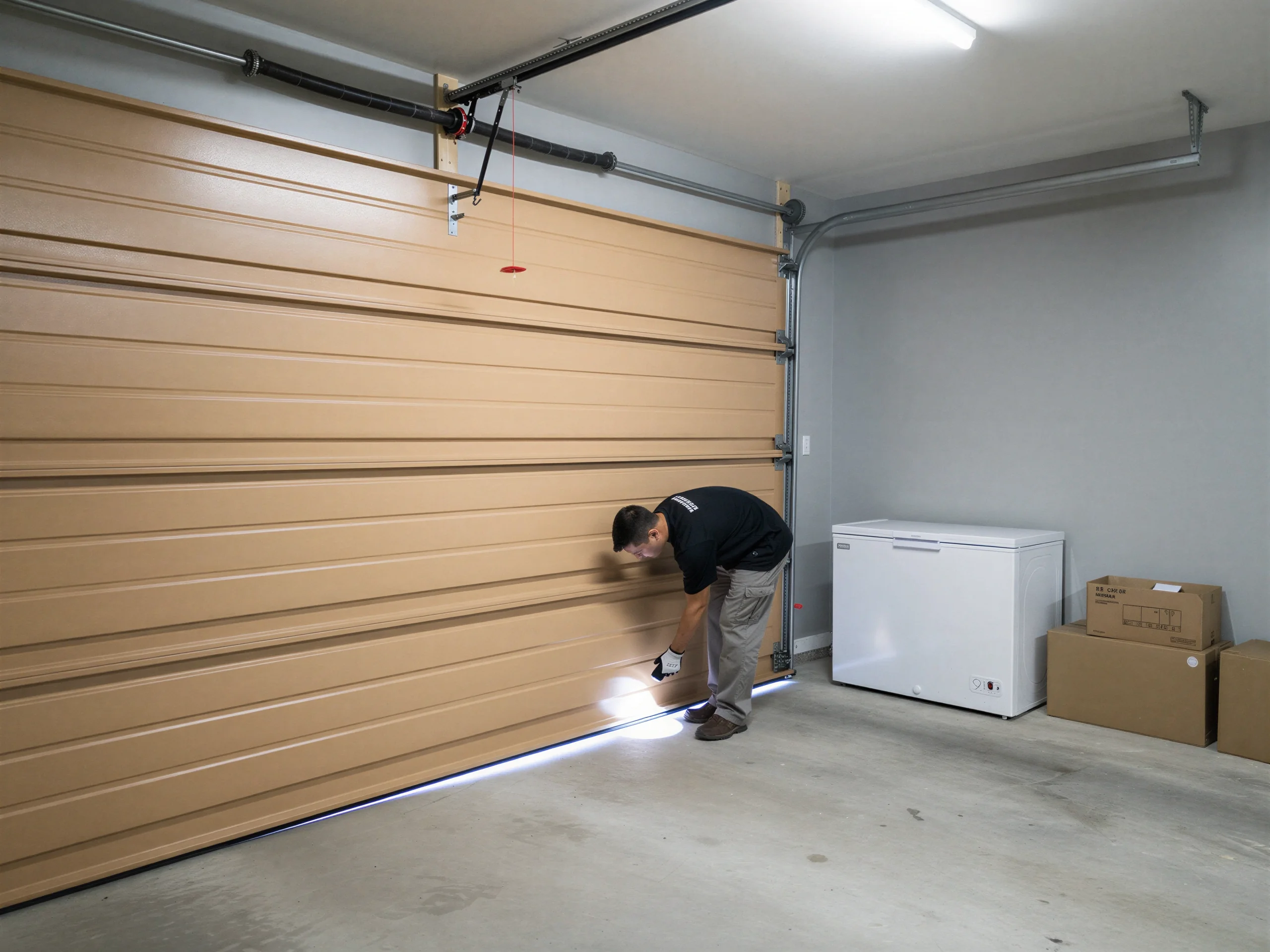
Garage Door Repair
Appling homes run newer than most of the area, built mostly in the early 1980s. Learn more →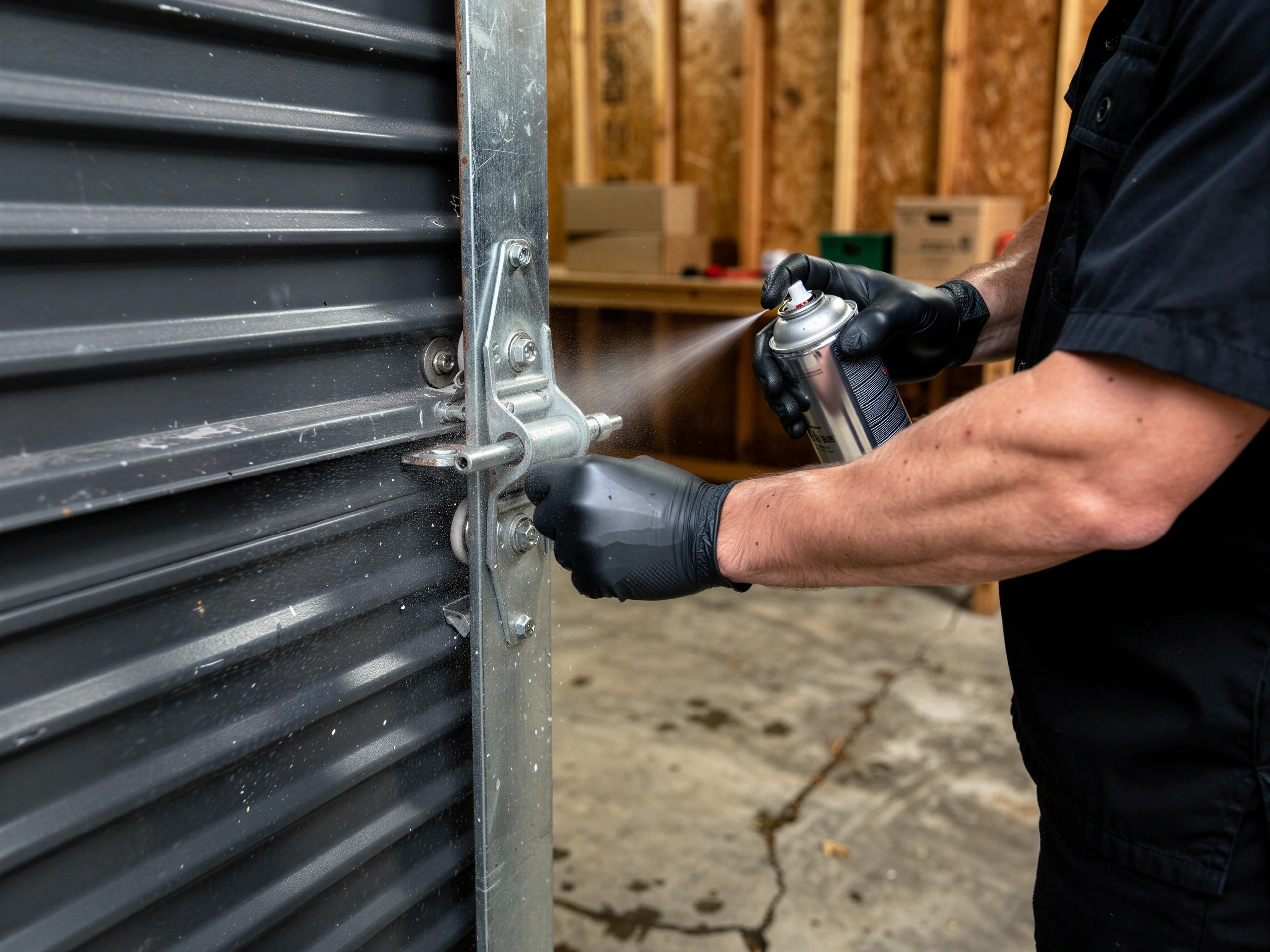
Garage Door Service
Appling's garage doors date mostly to the early 1980s, a step older than the Evans-area median. Learn more →
Maintenance
Appling homes mostly went up around 1981, older than much of the Evans service area. Learn more →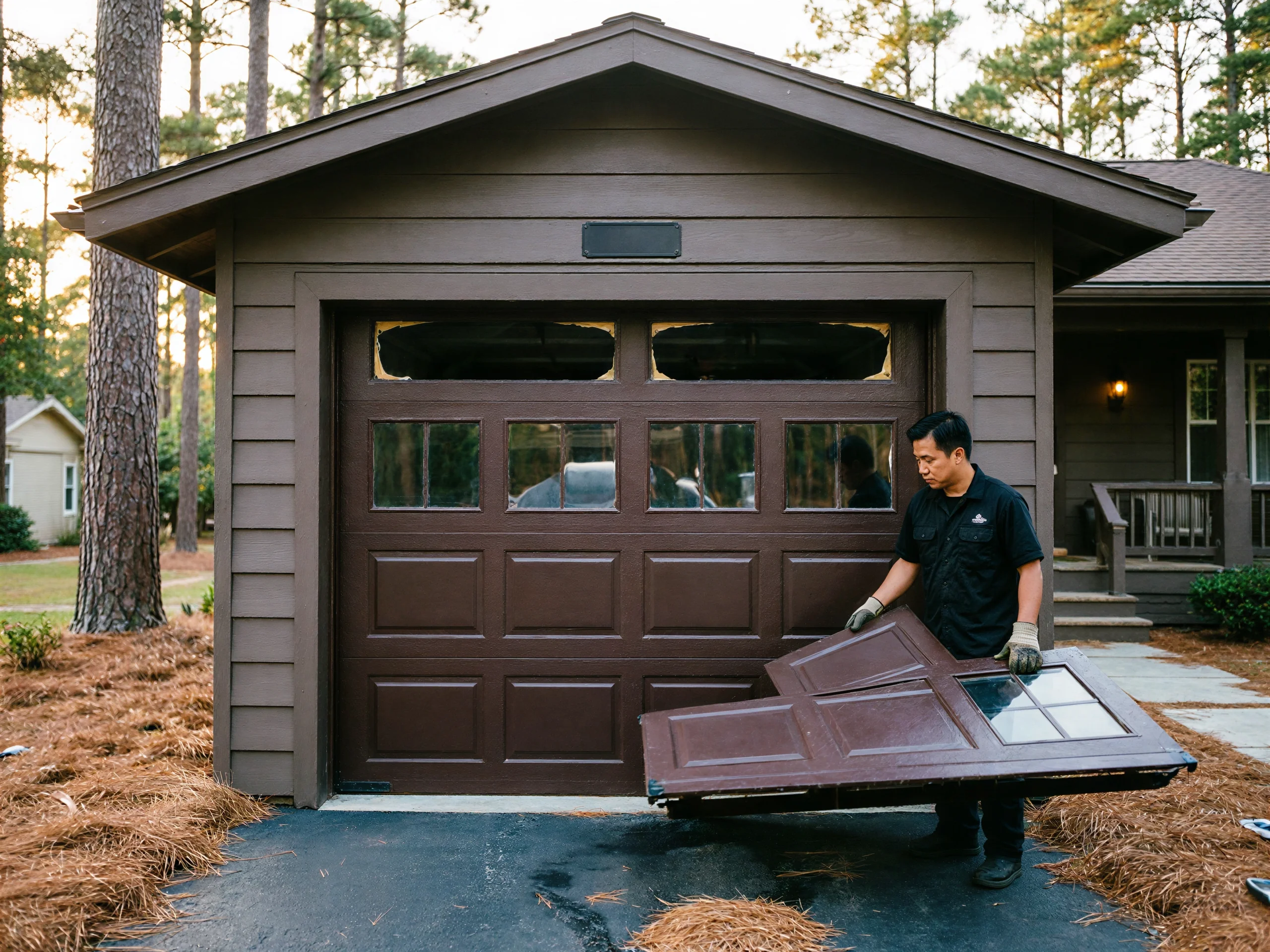
New Door Installation
Appling homes built around 1981 carry original steel doors on narrow, out-of-square openings. Learn more →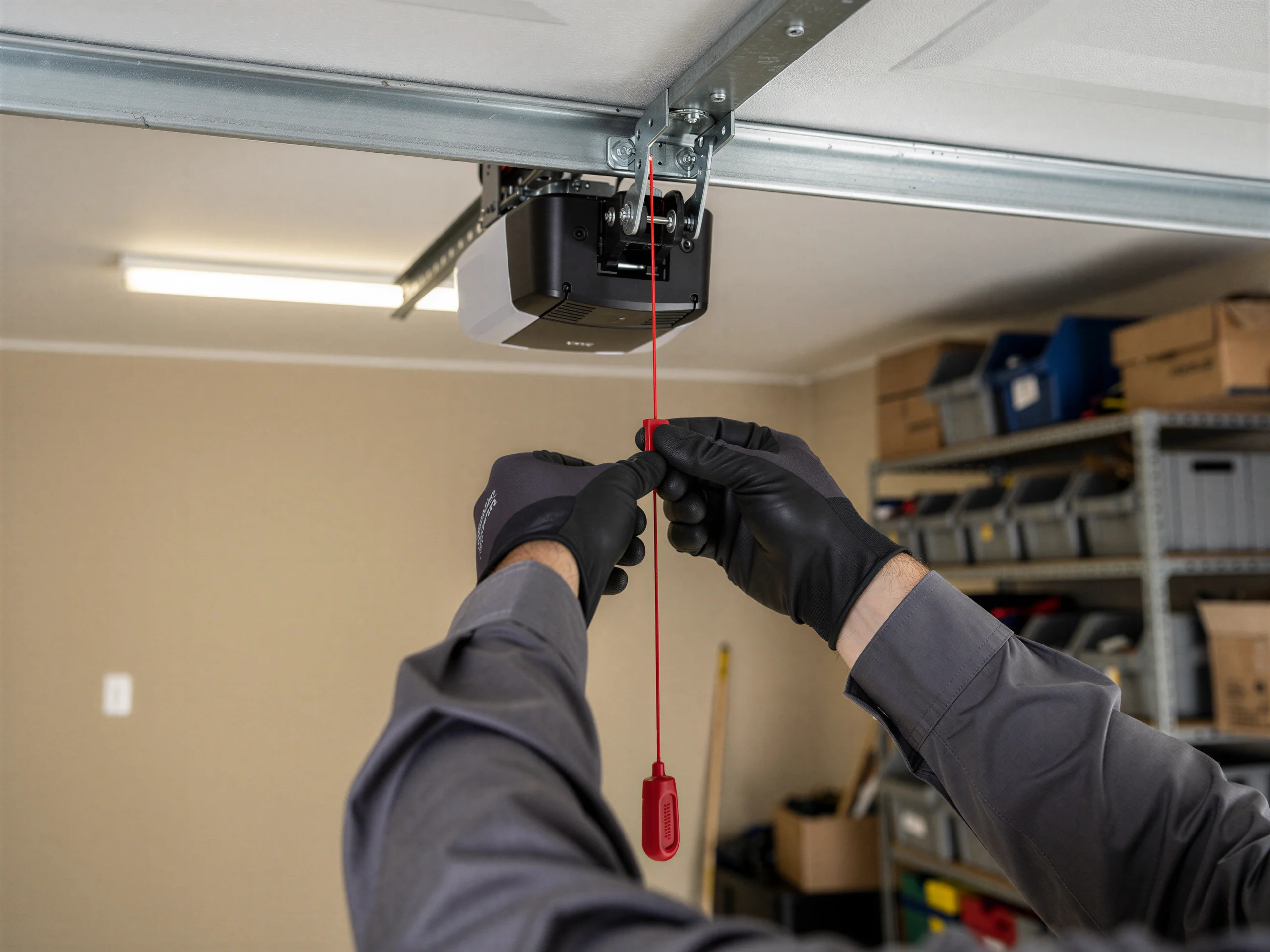
Opener Repair
Appling homes built around 1981 came with openers long since replaced or failing. Learn more →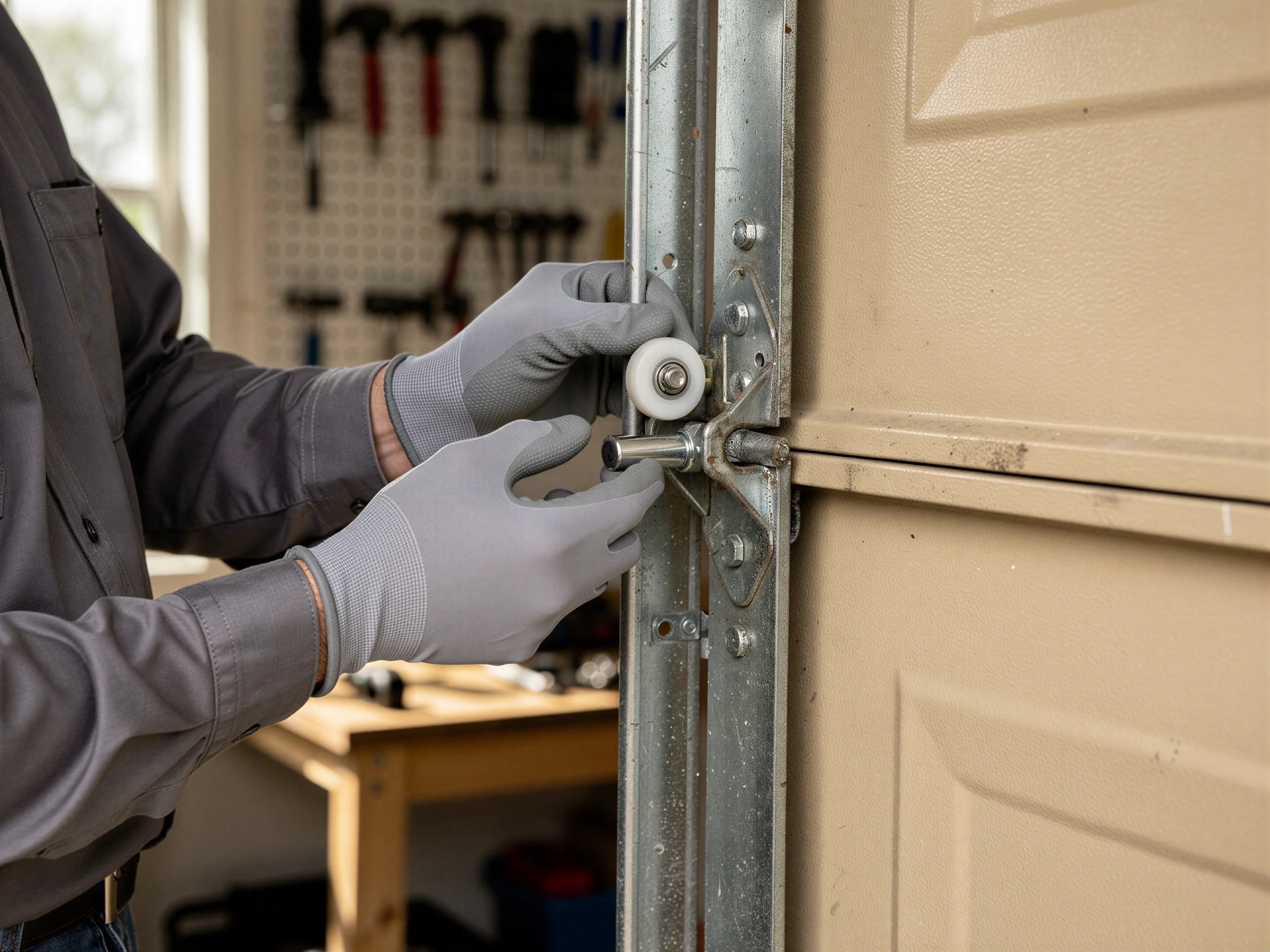
Roller Replacement
Appling GA has about 275 households and houses built mostly around 1981. Learn more →Ready when you are
Cracked or dented door panel in Appling?
Evans Garage Door Pros repairs and installs garage doors, springs and openers in Evans, GA and the surrounding area.