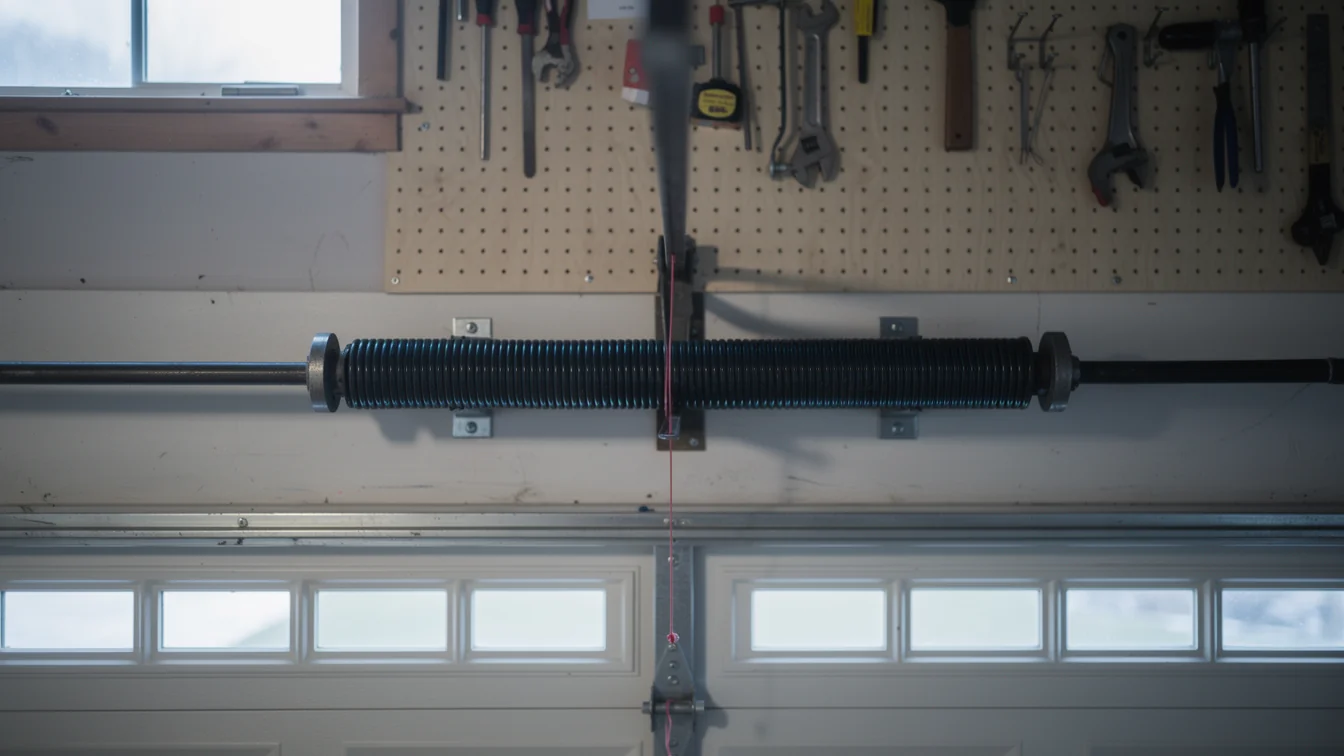
 Why Evans Garage Doors Wear the Way They Do
Evans homes mostly date to 1978-2007 and sit in a moderate-heat climate band.
Evans Garage Doors: Openers, Power Cuts, and the Houses Behind Them
Evans, GA homes built 1978-2007 run original garage door openers past their prime. See how moderate heat and power cuts wear them down, and what to check now.
Local detail
What the Weather Here Does to It
Evans sits in a moderate-heat climate band, and that matters more for your opener than for the door itself. The steel panels, tracks, and rollers shrug off heat fine. The motor, the circuit board, and the capacitor inside the opener don't. Heat cycling, day after day, dries out grease on the drive gear and stresses the solder joints on the logic board faster than cold ever would. Most houses in this service area went up between 1978 and 2007, with the typical build year landing around 1988, which means a lot of the openers doing that daily heat work are originals, or close to it, pushing three and four decades of service. Power cuts are the other half of the story. When the power drops, whether from a storm or a grid issue, an opener with a worn-out battery backup or none at all leaves the door wherever it stopped. That's when people find out the manual release cord either works fine or has been painted over and forgotten since the house was built. We don't service the electrical panel or the wiring upstream of the opener outlet. That's an electrician's job. We work on the door side of the plug.
The area
The Problem
Across the six named pockets of 1980s and 90s construction in this area, the pattern repeats: openers installed when the house was framed are still the openers running today, and they're reaching the age where failure isn't a maybe, it's a when. Nylon drive gears get brittle and strip. Capacitors that have taken thirty years of warm-season load swell and lose their charge, so the motor hums but doesn't lift. Logic boards corrode at the solder points from repeated heat expansion and contraction, long before any visible damage shows up. None of this is dramatic. It shows up as a door that's slower than it used to be, a motor that runs a beat longer before the door moves, or a remote that works some days and not others. Those are gear and board symptoms, not spring symptoms, and treating them like a lubrication problem just delays the actual fix. The honest limitation here: once a board is failing intermittently, we can't always diagnose it on the first visit. Intermittent electrical failure sometimes means living with it a few more weeks and tracking when it happens before we can pin down the part.
What we find
Season by Season
We don't have hard freeze data for this service area, so we're not going to invent a winter spike that may not exist here. What we do know is the climate band: moderate heat, carried through most of the year, and that's the load your opener motor and board are under continuously, not just in July. There isn't a sharp seasonal break the way there is in places with real winters. Instead, it's steady wear that adds up year over year, which tracks with why openers original to houses built in the late 1980s and 1990s are showing their age now rather than failing all at once. The practical takeaway: don't wait for a specific month to check your opener. The stress on it doesn't take a season off, so neither should the inspection. If anything changes, a new hesitation before the door moves, a remote range that's shrunk, a grinding note from the motor housing, that's worth a look whenever it shows up, not on a calendar.
How we work
What to Check
Start with the manual release cord. Pull it with the door down and make sure the door disengages from the opener and moves freely by hand. If it's stiff, painted shut, or you've never touched it, that's the first thing to fix before you worry about anything else, because that cord is what saves you during a power cut. Next, listen to the motor on a normal open and close: a hum that runs longer than it used to before the door starts moving usually means a capacitor on its way out. Check the remote range from your driveway versus from inside your car at the curb. A wide gap after a season of consistent use often points to board corrosion rather than the remote's battery. With 3,963 owner-occupied houses out of 8,838 households across this area, a good share of you are the ones who'll eat the cost of ignoring this, not a landlord. At a median household income of $60,702, it's worth knowing early whether you're looking at a $30 part or a motor replacement. We cover Evans and out to Grovetown, Appling, Harlem, and the other communities in this part of Columbia County. Our home page has contact details.
Questions
Common questions
Why does my garage door opener seem slower in summer?
Heat causes the motor's capacitor to lose some of its charge over time, so it takes longer to build up the push needed to start the door moving. Evans sits in a moderate-heat climate band, and that steady warm-season load is the main reason openers here wear out at the motor and board before anything else fails.
My power went out and the door won't open. What do I do?
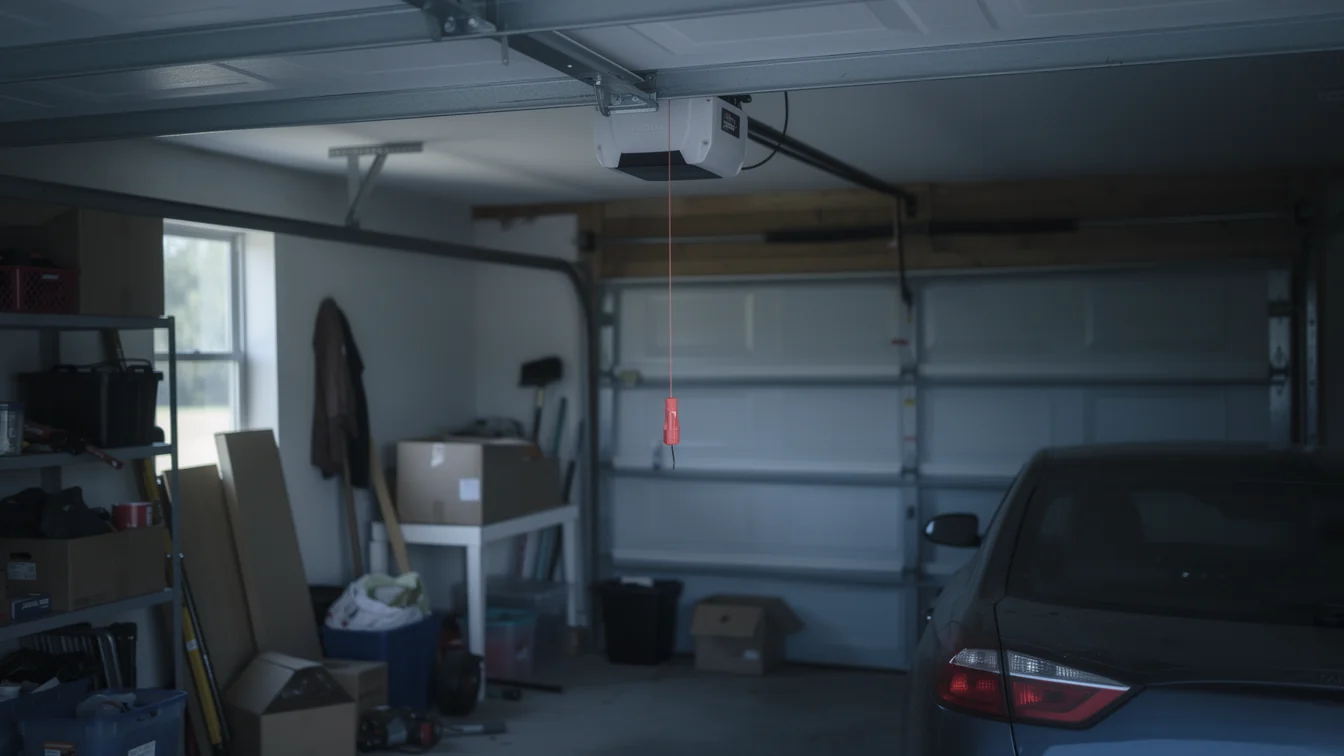
Find the manual release cord, usually a red handle hanging from the opener trolley, and pull it straight down with the door closed. That disconnects the door from the motor so you can lift it by hand. If the cord is stiff or you can't find it, that's worth fixing before the next outage.
Is my original garage door opener too old to keep fixing?
If your house was built in the 1980s or 90s, which covers most of this service area, the opener is likely original and has had three or four decades of heat-cycling. A gear or capacitor repair can still make sense, but once the board itself is failing intermittently, replacement usually costs less over time than repeated service calls.
Do you work on the electrical wiring to my garage?
No. We handle the opener, the door, and everything between the wall switch and the motor, but panel wiring and circuit work upstream of the outlet is an electrician's job. If we find a wiring issue causing your opener trouble, we'll tell you, but we won't open up the panel ourselves.
Recommendation
You Might Also Like
More garage door guides for Evans homeowners.
Why Evans Garage Doors Wear the Way They Do
Evans homes mostly date to 1978-2007 and sit in a moderate-heat climate band.
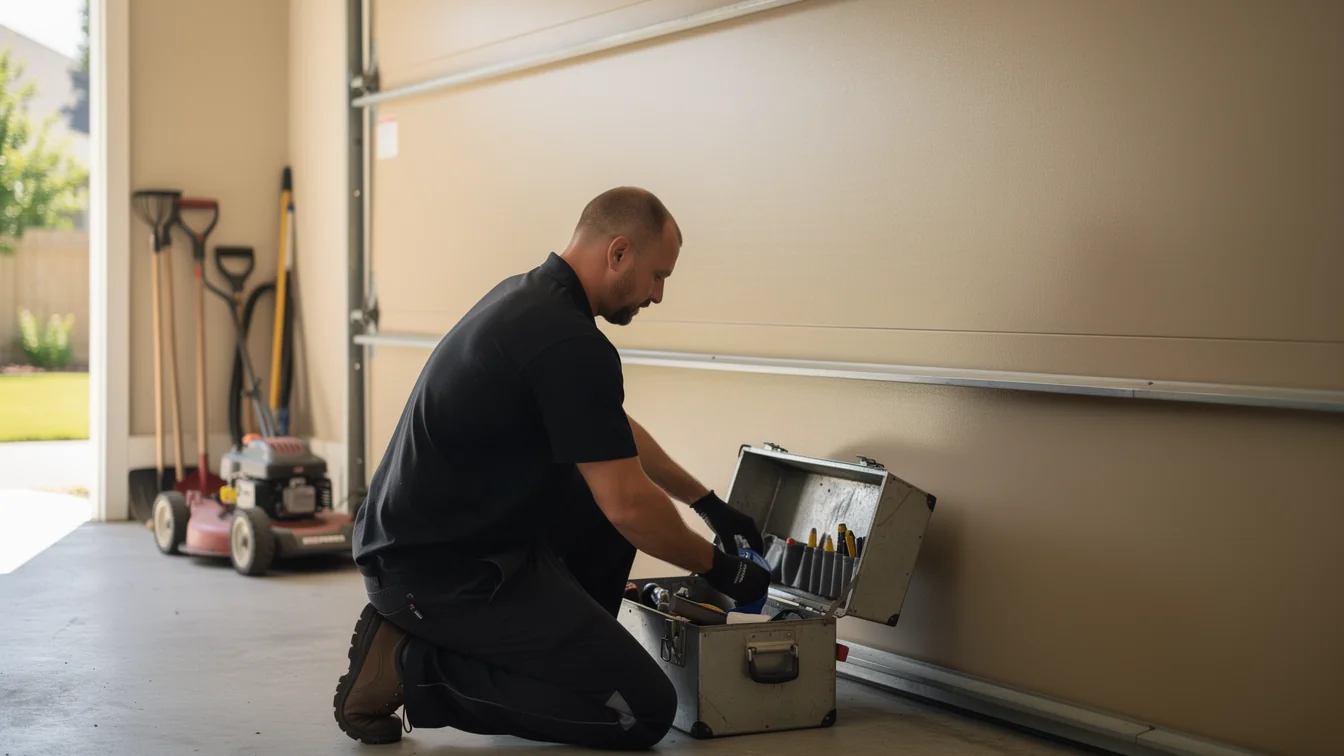 What Actually Happens When a Tech Shows Up in Evans
Most Evans houses were built between 1978 and 2007, so a real service call checks age-specific wear on springs, rollers, and openers from that exact era.
 Is Your Evans Garage Door Worth Fixing, or Done
Most Evans homes were built between 1978 and 2007.
Ready when you are
Need a garage door sorted in Evans?
Evans Garage Door Pros repairs and installs garage doors, springs and openers in Evans, GA and the surrounding area.