Harlem, Evans
Opener Repair in Harlem, GA
Opener repair for Harlem, GA homes built mostly since 1990. The team travels 14 miles from Evans to fix dead openers, worn gears, and failing circuit boards.
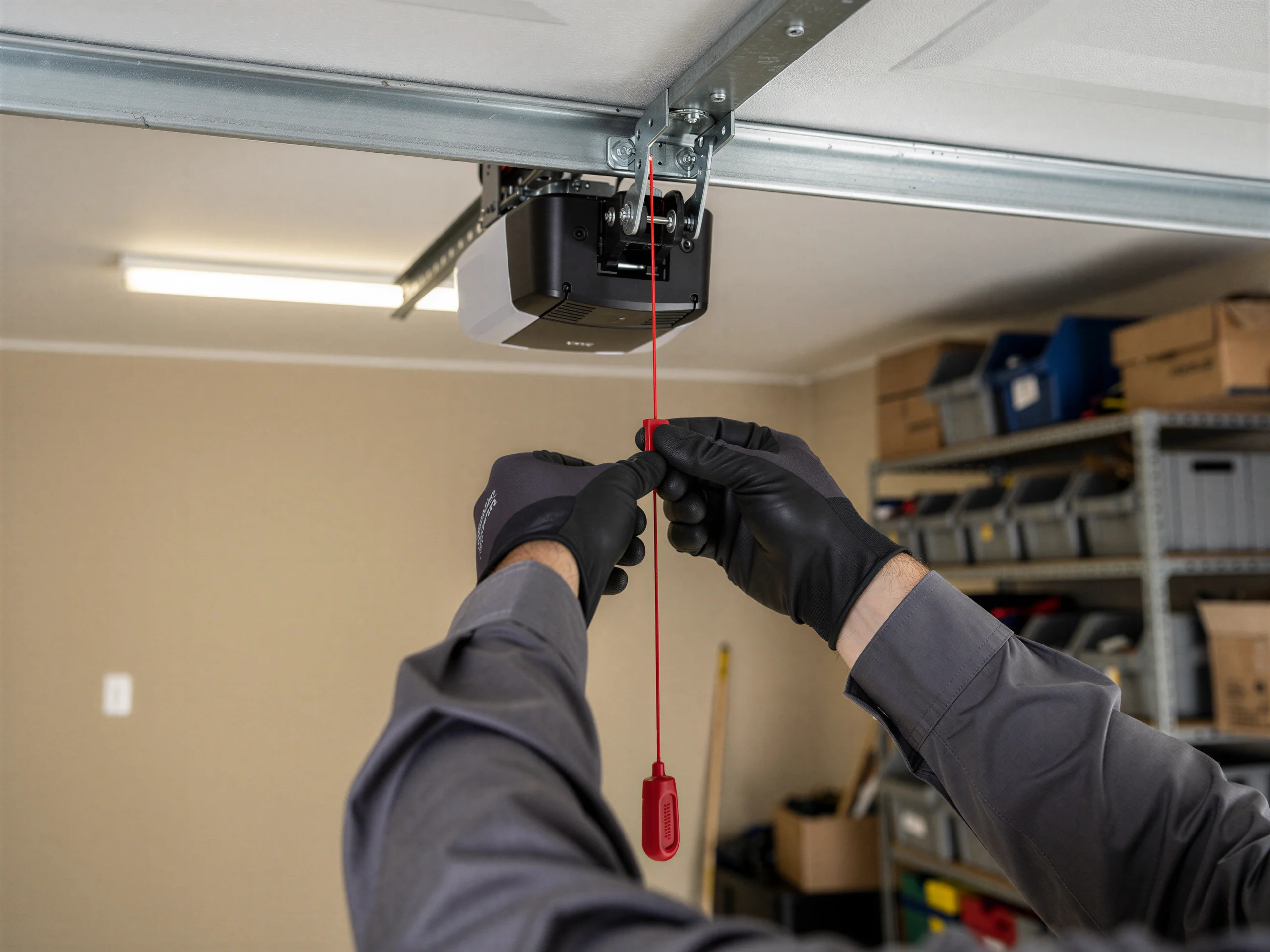
What You Are Seeing
Harlem is a small town - about 1,492 households sit inside it - and that size shapes what kind of opener calls come out of here.
Single-household failures
You don't get the volume of a dense subdivision grid, so when a call does come in, it's usually one specific household dealing with one specific failure: a motor that hums but won't lift, a remote that stopped pairing, a logic board that trips the lights but does nothing else. There isn't a cluster of identical units failing in the same week the way you'd see in a big tract development built all at once.
Openers past service life
Each job here tends to be its own story. Most of the houses in Harlem went up around 1990, which puts the original garage door openers from that construction wave well past their service life by now - a chain-drive unit from the early '90s, if it's even still in the house, is on borrowed time.
Opener age mismatch
More often what you're looking at is a second or third opener installed sometime after the original, so the unit's age doesn't always match the house's age. That mismatch is the first thing worth checking before assuming anything about the hardware.
Where This Job Goes Sideways
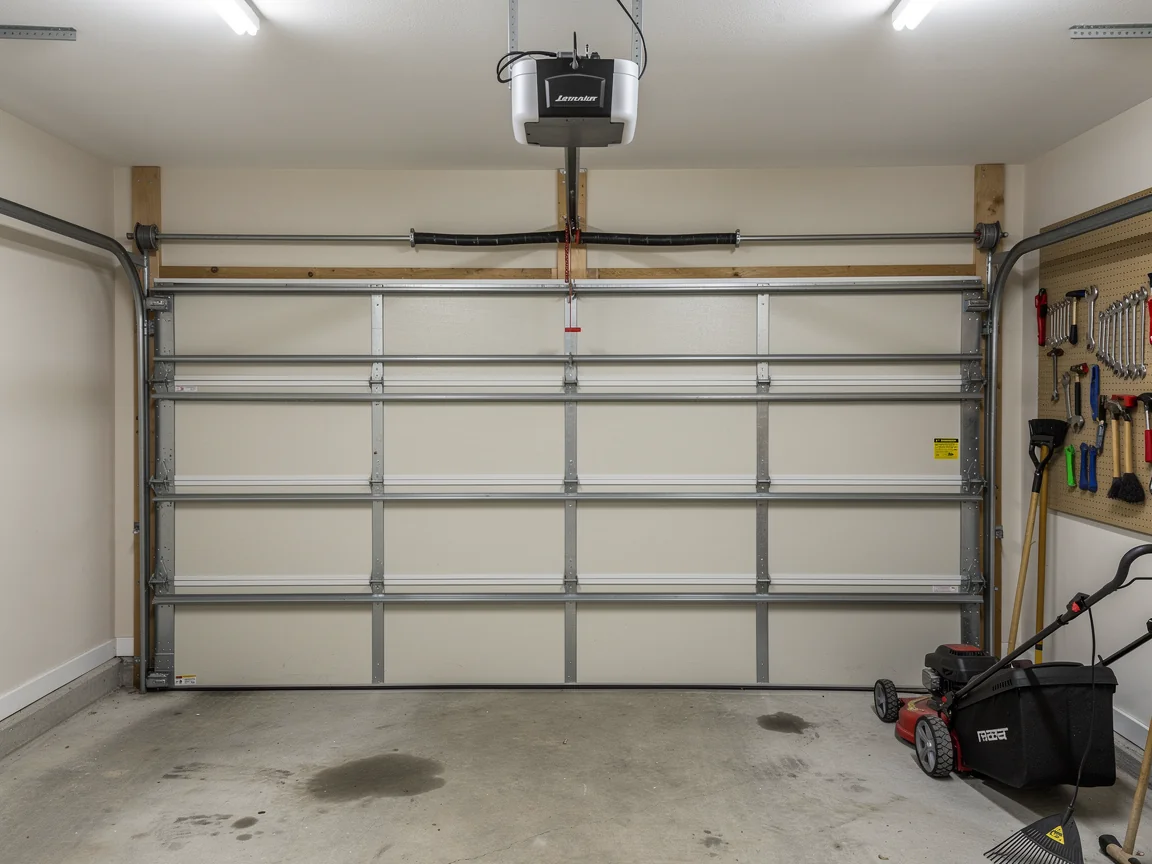
The most common misdiagnosis on a Harlem call is blaming the opener for a problem that's actually the door. A motor straining and reversing partway up a track isn't necessarily a bad opener - it might be a spring that's lost tension, which makes the opener work twice as hard and trip its force sensors.
Replacing opener fixes nothing
Replacing the opener in that case fixes nothing; the new unit does the same thing within a few weeks. The other place this goes sideways is the safety sensors near the floor.
Dusty sensor misalignment
They're cheap, they're exposed, and on older installs they're often slightly out of alignment or caked with enough dust that the door won't close at all - that reads like an electrical fault but it's usually a five-minute fix once someone's looking at it in person.
Boards rarely the culprit
Circuit board failures are real too, especially on units with exposed boards that have taken some humidity over the years, but board failure is less common than people assume. We won't swap a board or sell a new opener until the spring tension and sensor alignment are both ruled out first.
Getting It Booked In
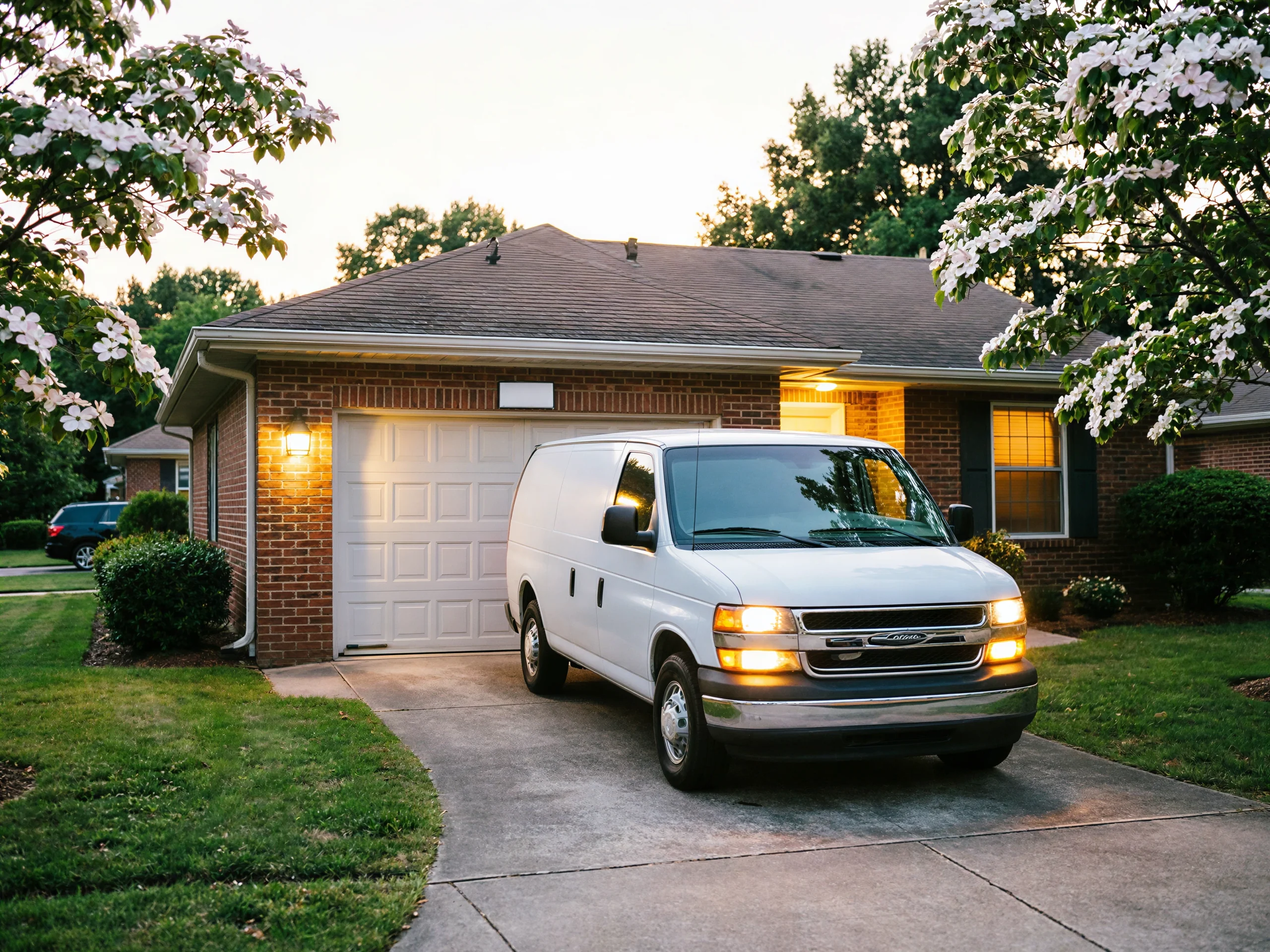
The crew runs out of Evans, about 14 miles from Harlem, so there's no local branch or drop-in counter here - a Harlem call gets scheduled and the truck makes the drive. That distance is part of why we ask for a clear description of what the door and opener are doing before the truck rolls: a stuck opener with a tripped sensor is a different parts list than a dead circuit board, and knowing which one it likely is before arrival keeps the visit from turning into two visits. You can start that conversation through the Harlem service page. If the opener repair turns out to need a part that isn't something we carry stock of - certain proprietary logic boards tied to one manufacturer's older models - that part may need to be ordered, which means a second trip. We'll tell you that up front rather than let a first visit turn into a surprise.
Why It Happens Here
With a median build year of 1990 for Harlem homes, the garage door hardware itself - tracks, springs, mounting brackets - is often original or close to it, even where the opener has been swapped out once or twice since.
Mechanics older than electronics
That's a meaningful split: the mechanical side of the door can be thirty-plus years old while the electronics are five or ten.
Humidity shortens component life
Georgia's moderate heat band isn't brutal the way a desert climate is, but it still runs hot and humid enough for months at a time to shorten the life of exposed circuit boards and the plastic gears inside chain-drive openers, which is where a lot of the grinding-noise calls come from.
Budget shapes repair decisions
Household income in Harlem runs lower than the broader Evans service area - median around $43,571 here versus roughly $60,702 across the wider area - and that gap shows up in the kind of decision homeowners make when an opener dies: more often a straight repair than a jump to a premium replacement unit, which is a reasonable call on a unit that's otherwise sound.
What Is on the Truck
For opener work, the truck carries the parts that fail most often on units this age: drive gears and sprockets for chain and belt units, standard safety sensor pairs, logic boards for the handful of common brands we see most, and a stock of remotes and keypads for pairing. What isn't on the truck is every proprietary board for every opener brand ever sold - some older or less common units use parts that have to be special-ordered, and if that's what your unit needs, we'll say so rather than guess. Given that the mechanical hardware on a lot of Harlem garage doors is original to houses built around 1990, we also carry the basics for the door itself - rollers, cable, and standard torsion springs - since an opener call out here often turns into a quick check of whether the door it's lifting is actually the real problem.
Questions
Common questions
My opener runs but the door won't move. Is that the opener or the door?
On a house with original 1990s-era hardware, that's often the door, not the opener. A seized roller or a spring that's lost tension can make the motor run while the door stays put. We check the door's mechanical side first before assuming the opener itself has failed.
Do you keep an opener repair crew based in Harlem?
No. The company runs out of Evans, about 14 miles away, and the truck travels to Harlem for scheduled jobs. There's no local branch here, so visits get booked in advance rather than as walk-ins.
Is it worth repairing an opener from the early 1990s?
Usually not on its own merits - most openers from that era are near or past typical service life regardless of brand. If the unit in your home dates that far back, replacement is often the more sensible call than chasing parts for a 30-year-old board.
Why do my sensors keep tripping for no reason?
Georgia's humid stretches take a toll on exposed safety sensors over time, and slight misalignment or dust buildup is the most common cause we find. It mimics an opener fault but is usually a quick on-site fix rather than a parts replacement.
Explore more
More Services in Harlem
Emergency Garage Door
Fast emergency garage door repair for Harlem, GA, where most houses went up around 1990, served by Evans Garage Door Pros, about 14 miles away in Evans, GA. Learn more →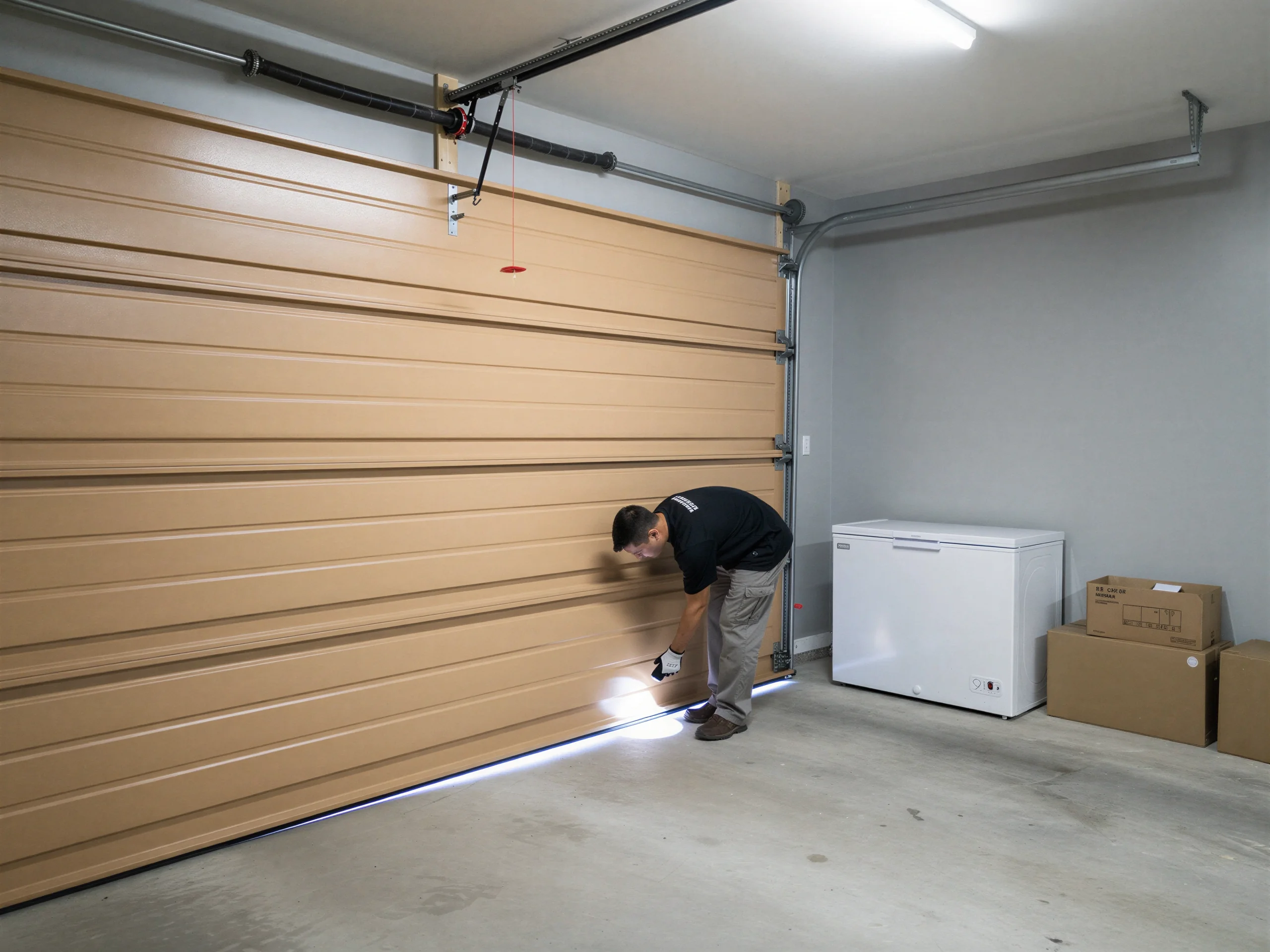
Garage Door Repair
Garage door repair for Harlem homes built mostly in the late 1980s and early 1990s. Learn more →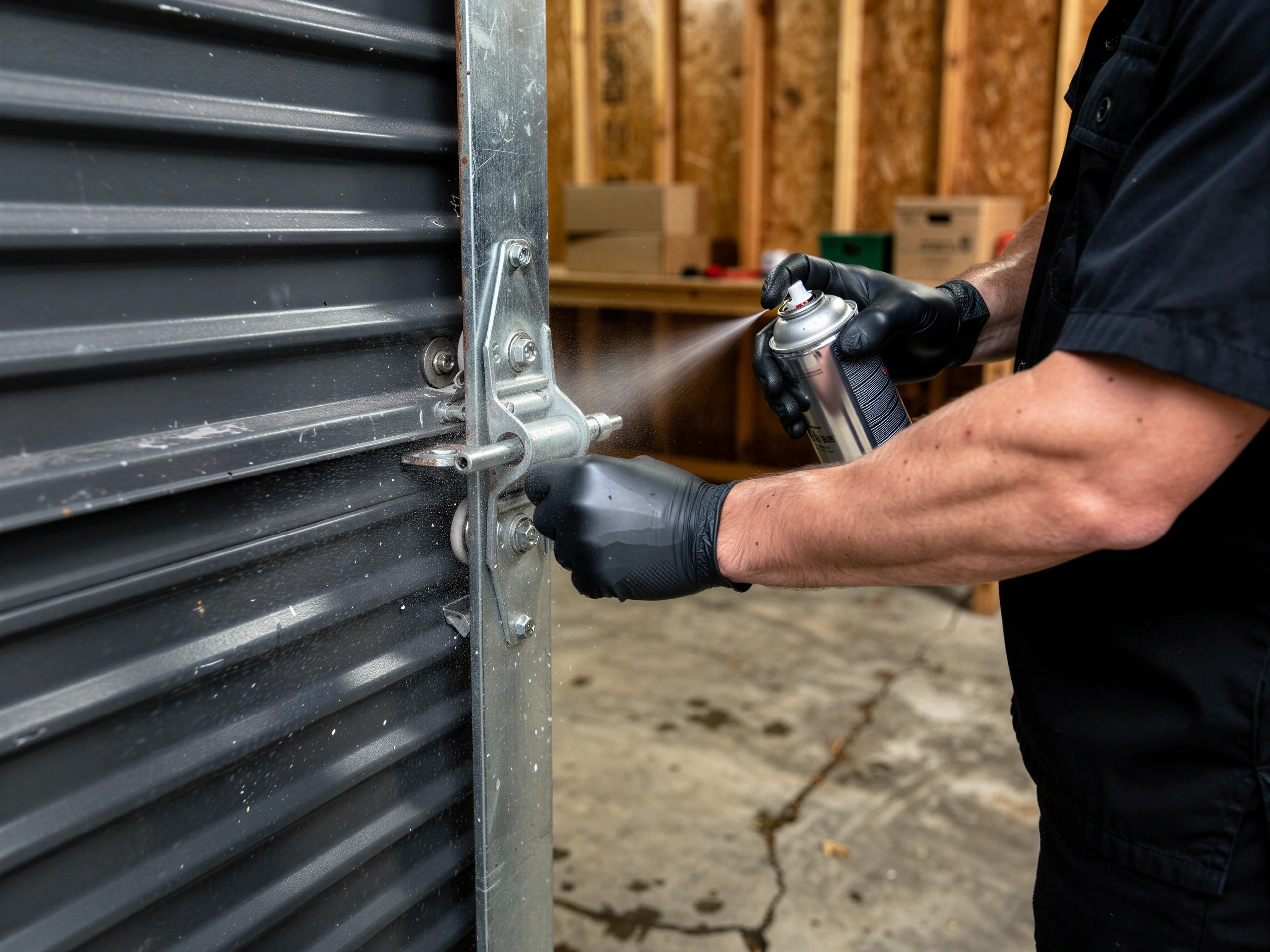
Garage Door Service
Harlem, GA homes mostly date to 1990, putting original torsion springs and openers past their working life. Learn more →
Maintenance
Harlem homes run newer stock than much of the Evans service area, but the 14-mile drive changes how maintenance here gets scheduled and bundled. Learn more →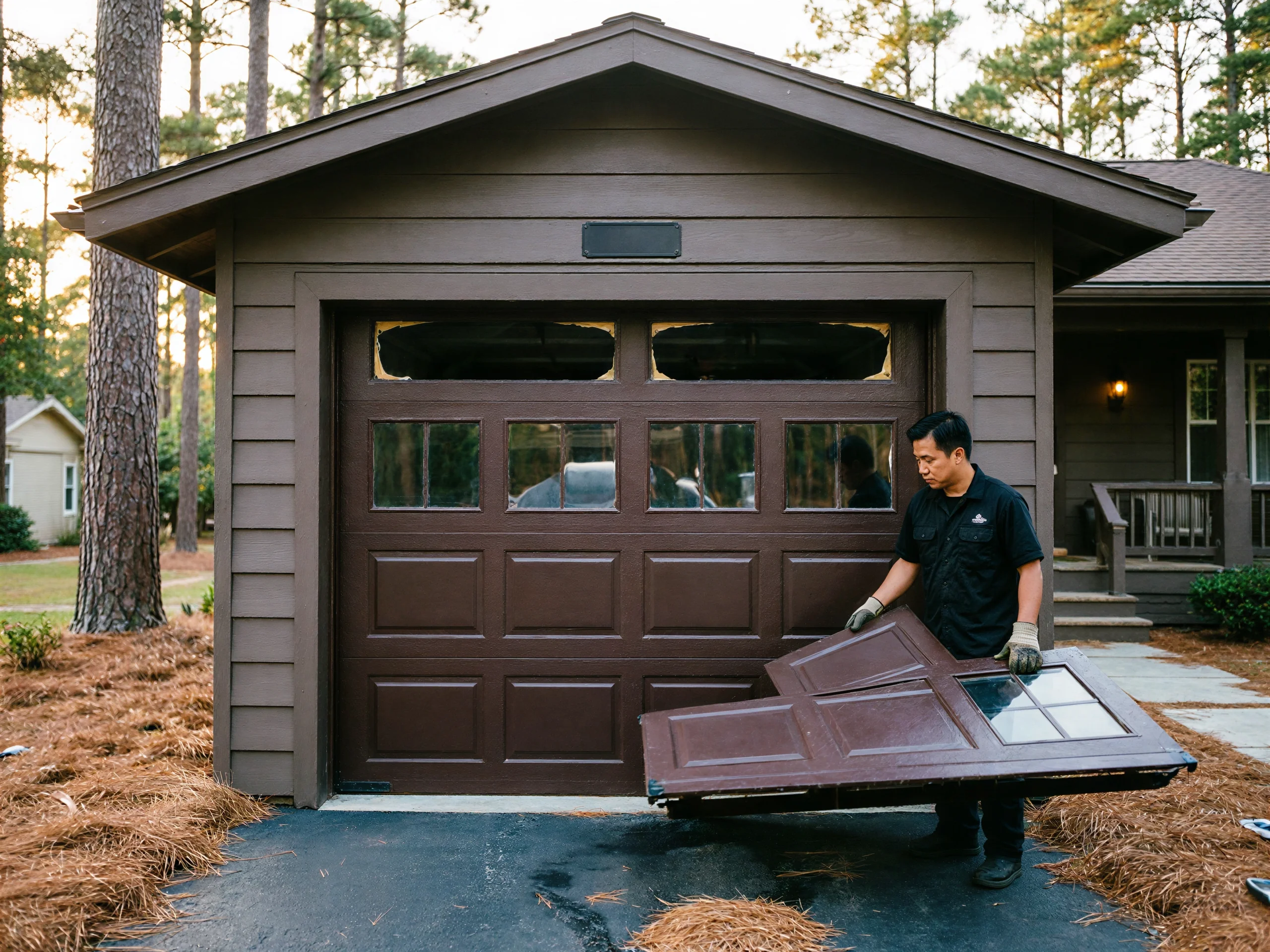
New Door Installation
Harlem homes built around 1990 carry steel doors and openers now pushing 30 years old. Learn more →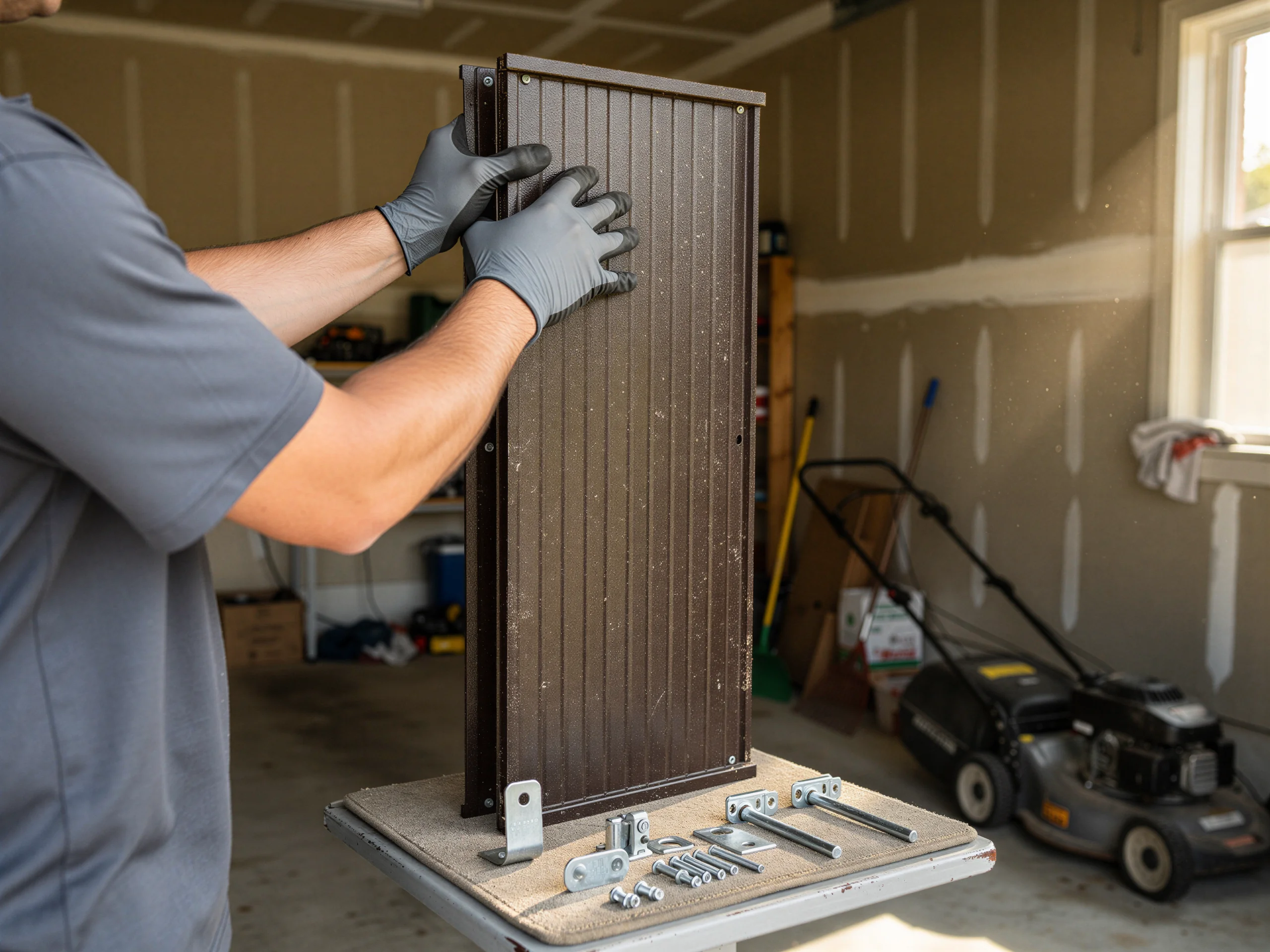
Roller Replacement
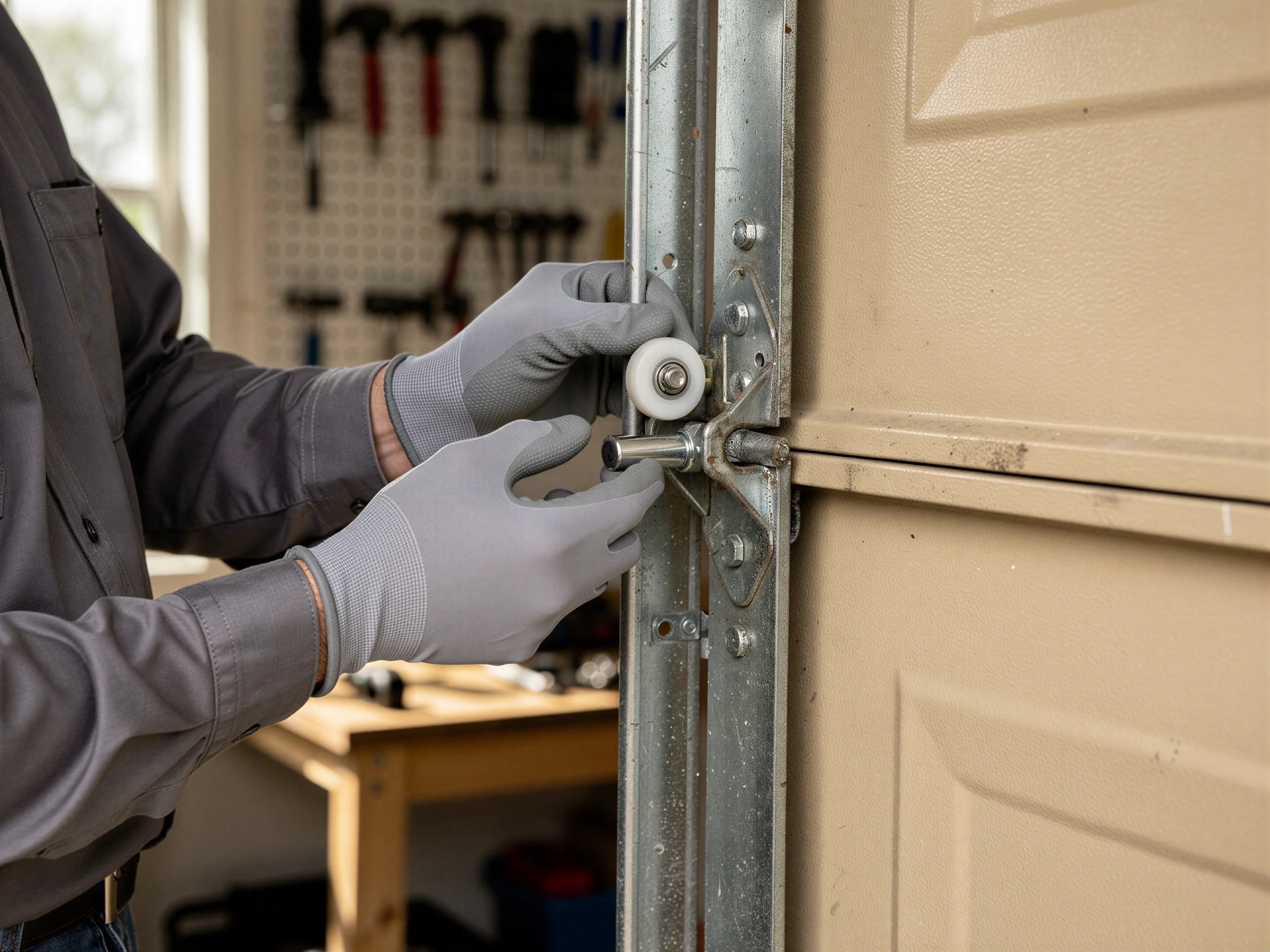
Harlem homes built around 1990 share the same builder-grade rollers as the rest of the Evans service area. Learn more →Ready when you are
Garage door opener acting up in Harlem?
Evans Garage Door Pros repairs and installs garage doors, springs and openers in Evans, GA and the surrounding area.