Harlem, Evans
Panel Replacement for Harlem's 1990s Garage Doors
Harlem homes run mostly 1990s builder-grade steel doors. See what panel damage looks like on this stock, what a replacement runs against repair, and how the Evans truck handles the 14-mile trip.
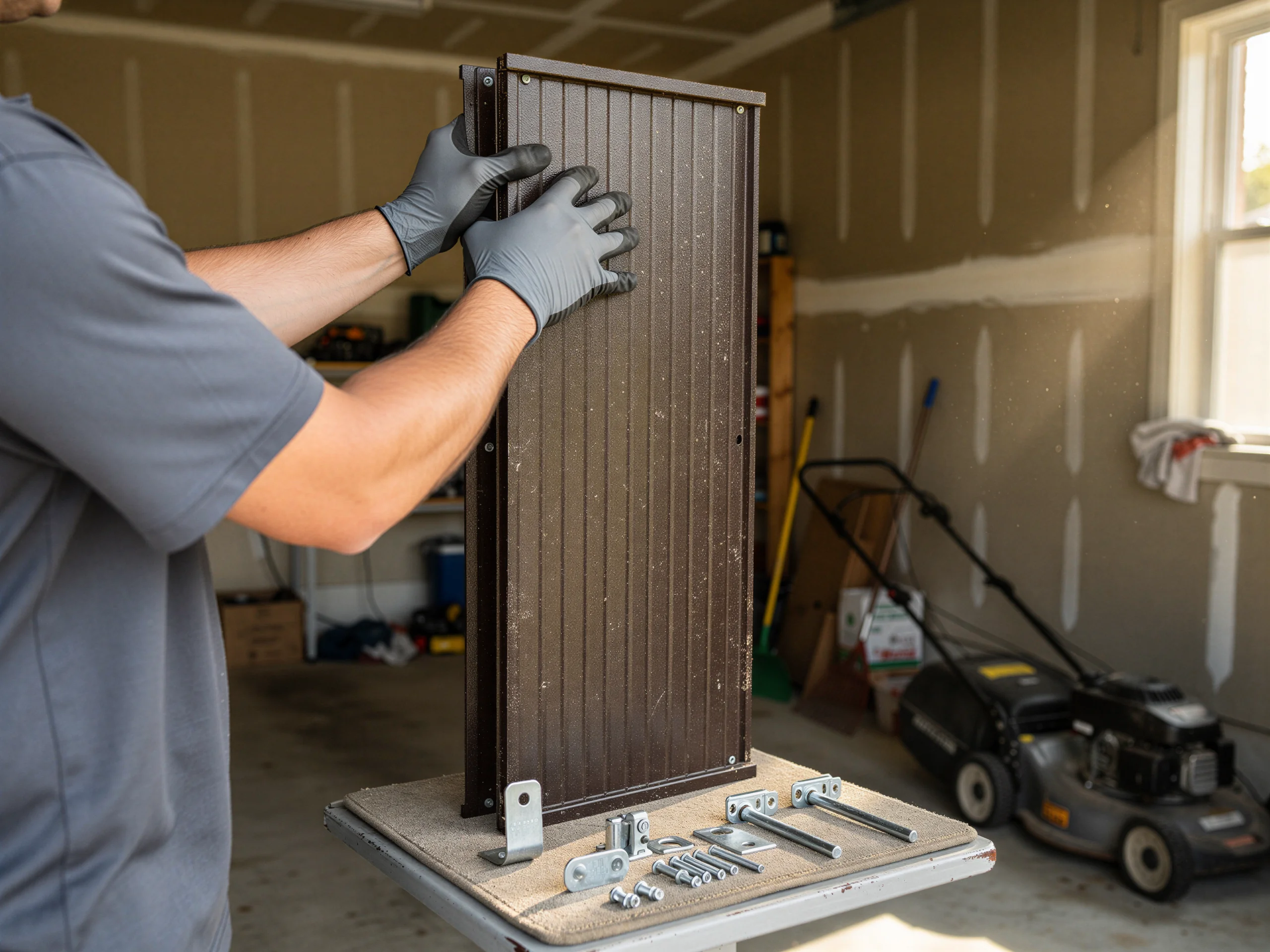
What You Are Seeing
Harlem's median household income sits at $43,571, noticeably under the wider Evans service area's $60,702. That number matters here because it's the line most homeowners are standing on when a panel gets caved in: do you pay for one new panel, or does the whole door need to go.
Panel as early warning
On a door that's already 30-plus years old, a cracked or dented panel often isn't an isolated problem - it's the first piece to show wear that's happening across the whole door.
Builder-grade non-insulated steel
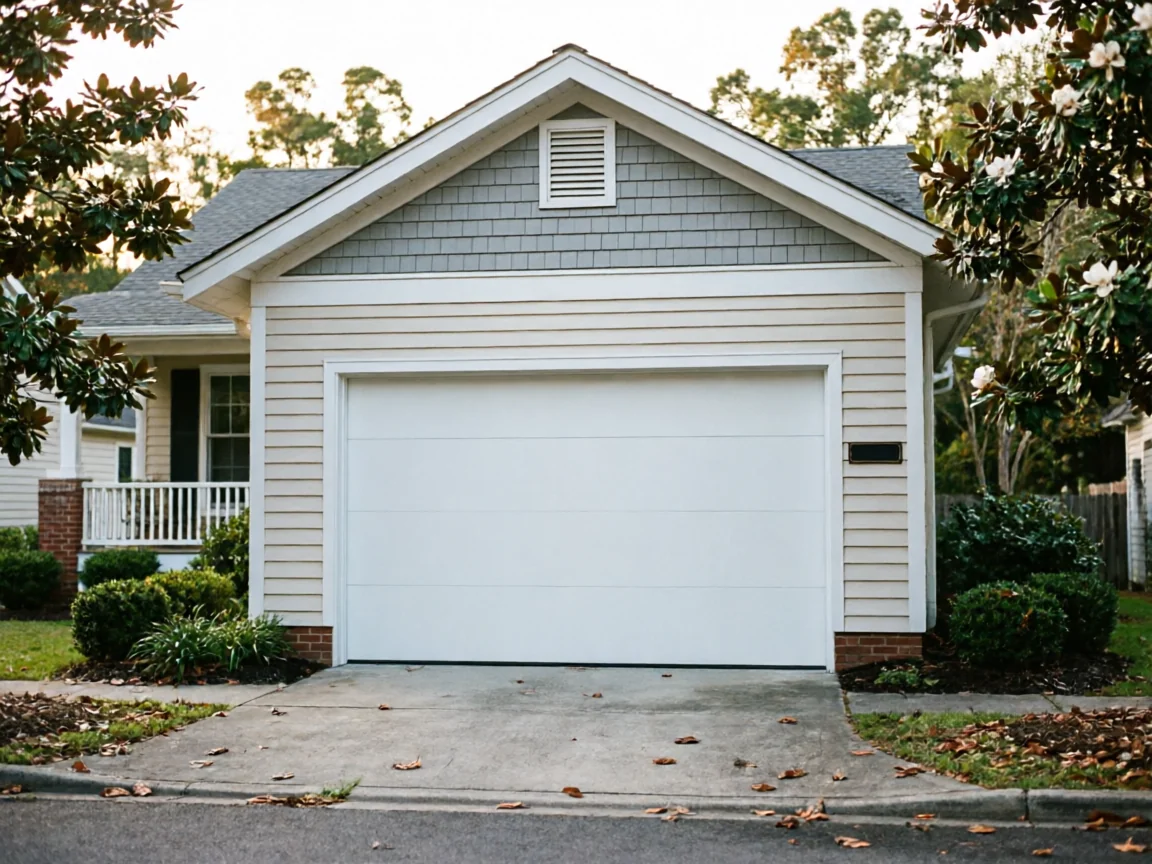
Most houses in Harlem were built around 1990, which puts you squarely in the same builder-grade steel sectional doors that went up across this part of the county through the late '70s into the 2000s. These are typically non-insulated or lightly insulated, single-layer steel panels, often in a handful of standard colors that builders bought in bulk.
Impact dents from play
A ball hitting the bottom panel, a car backing into the middle section, or just years of a basketball hoop mounted to the trim - all of it shows up the same way: a crease or a punch-through you can see from the driveway.
Where This Job Goes Sideways
The panel itself usually isn't the hard part. Matching it is. Builder-grade doors from around 1990 were sold in runs, and once that run is gone, the exact profile, the exact ribbing pattern, the exact shade of beige or white, may not exist anymore. We can usually get close on a matching panel from a current manufacturer line, but "close" and "identical" aren't the same thing, and on an end unit in direct sun the mismatch can be visible for a year or two before everything fades to match.
The other place this goes sideways is the hardware behind the panel. A 30-plus-year-old door on original rollers and hinges doesn't like being taken apart. Pull one panel and you sometimes find the track alignment or the roller spacing has shifted just enough that putting a new panel in reveals a second problem you didn't know you had. That's not us upselling you - that's what happens when you disturb hardware that's been sitting untouched since 1990.
Getting It Booked In
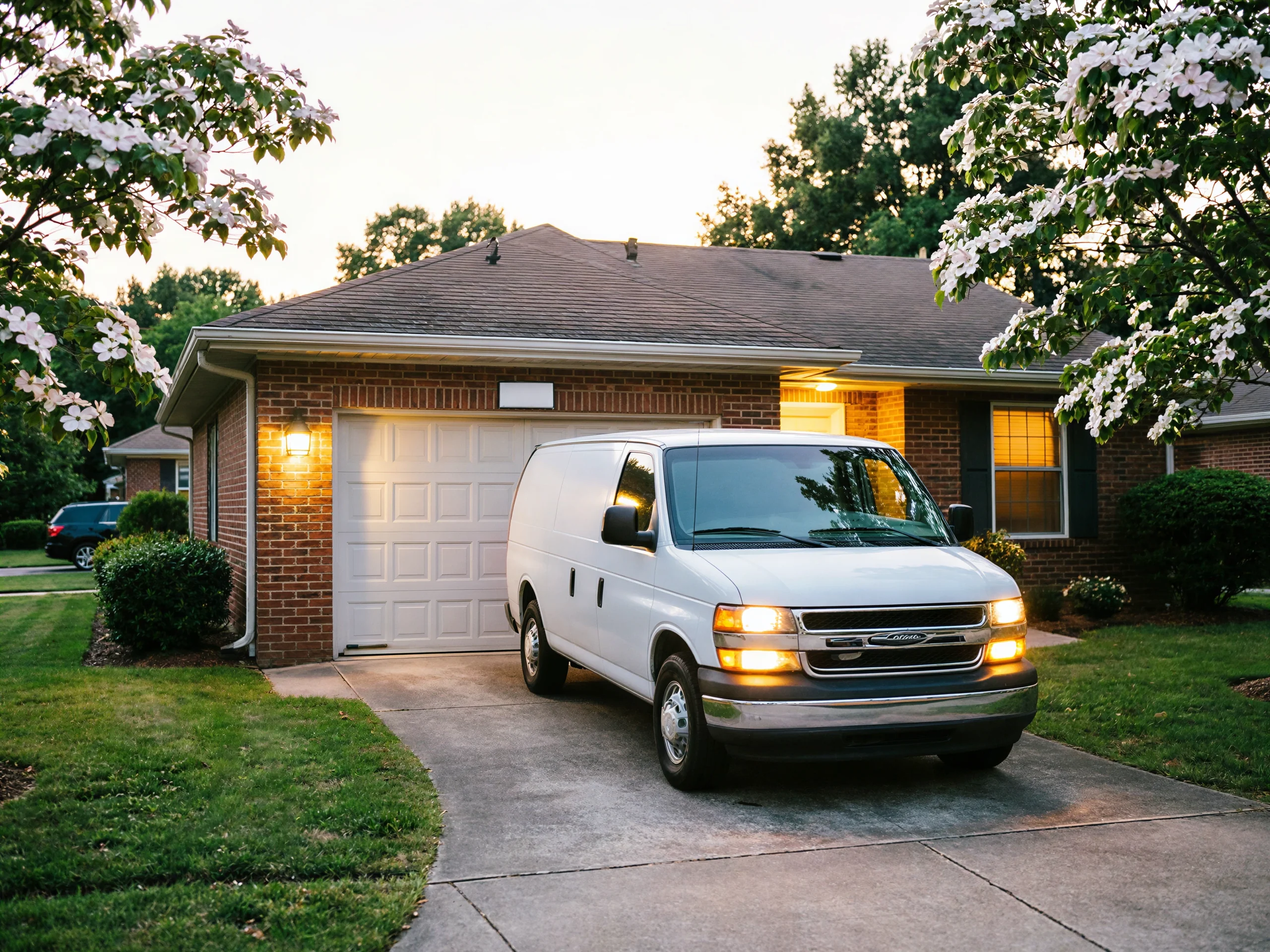
We run this job out of Evans, about 14 miles up the road, so Harlem calls get scheduled in rather than covered from a local branch - there isn't one.
Booked into set windows
That doesn't change what we carry or how the repair goes; it just means your appointment gets set for a specific window rather than a same-hour drop-in.
Age and damage location
When you call, tell us the door's approximate age (1990-ish, if you don't know exactly, that's fine), which panel is damaged - top, bottom, or one of the middle sections - and whether the door still opens and closes on track. That lets us bring the right panel stock and skip a second trip to measure first.
Why It Happens Here
With a median income of $43,571, a lot of households in Harlem are making the repair-or-replace call with less room to just default to a full door swap. That's a real factor in how this job gets scoped: we'll tell you straight when a single panel replacement makes sense and when the door's old enough, or damaged enough elsewhere, that putting money into one panel is just delaying a bigger bill.
The housing stock plays into this too. A door built around 1990 is past the point where most manufacturers still stock exact replacement parts, so panel repairs here lean more on close-match sourcing than on pulling an identical part off a shelf. That's not unique to any one house in Harlem - it's true of most of the doors from that era across this side of the county - but it does mean the panel conversation here looks different than it would on a newer build.
What Is on the Truck
For Harlem calls we carry standard steel sectional panels in the common widths and the handful of finishes that match most of what went up here around 1990 - plain raised-panel and short-panel profiles, mostly in white and almond.
Special-ordered panel matches
What we don't carry is an exact match for every builder run from three decades ago - if your door has a less common panel style or a custom color, that panel gets special-ordered, and the truck can't fix that on the first visit.
Hardware carried along
We also bring standard rollers, hinges, and end stiles, since pulling a panel on an older door often means replacing the hardware it's bolted to rather than just the steel.
Check track before swap
If the track or spring looks like it's not going to survive the panel swap, we'll say so before we start, not after we've already pulled the door apart.
Questions
Common questions
Will a new panel match the rest of my door exactly?
Probably close, not exact. Your door is likely from around 1990, and builder-grade panel runs from that era aren't stocked anymore. We source the closest current match in size and finish, but on a sun-faded door, expect a visible difference until the new panel weathers in.
Is it worth replacing one panel on a door this old?
Sometimes. If the rest of the door, track, and hardware are sound, one panel is often the cheaper move. If the door's already showing wear elsewhere, we'll tell you when a full replacement is the better long-term spend instead of patching a 30-year-old door piece by piece.
Do you have a local crew based in Harlem?
No. We work out of Evans, about 14 miles away, and schedule Harlem jobs as appointments rather than same-hour calls. We still bring the same panel stock and hardware we'd bring to any job - it just means booking ahead rather than expecting a drive-by fix.
What if my panel style isn't something you carry on the truck?
Then it gets special-ordered. We carry the common widths and finishes that match most 1990s-era builder doors in this area, but less common panel profiles or custom colors aren't something we keep stocked, and that adds lead time before the job can get finished.
Explore more
More Services in Harlem
Emergency Garage Door
Fast emergency garage door repair for Harlem, GA, where most houses went up around 1990, served by Evans Garage Door Pros, about 14 miles away in Evans, GA. Learn more →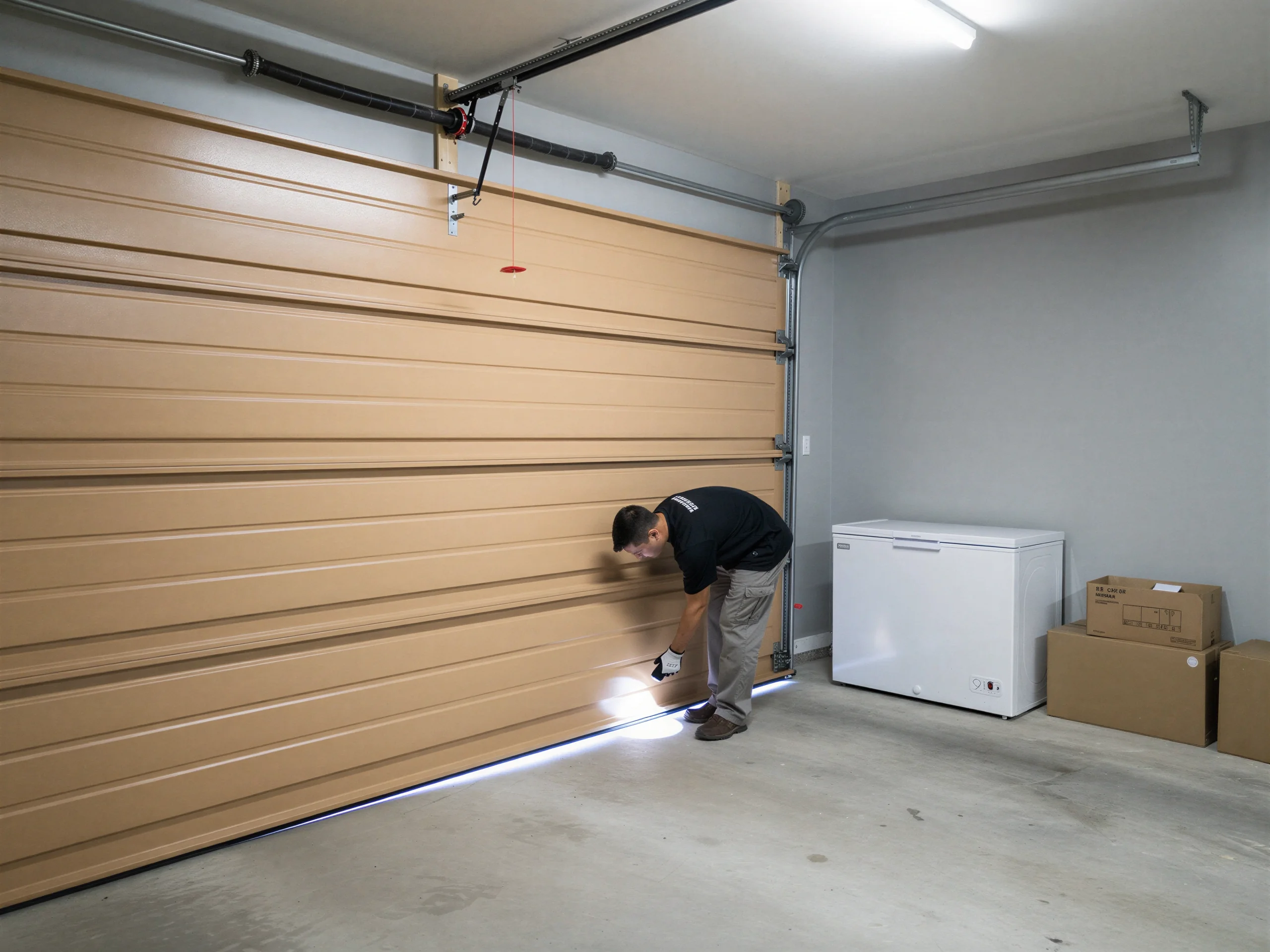
Garage Door Repair
Garage door repair for Harlem homes built mostly in the late 1980s and early 1990s. Learn more →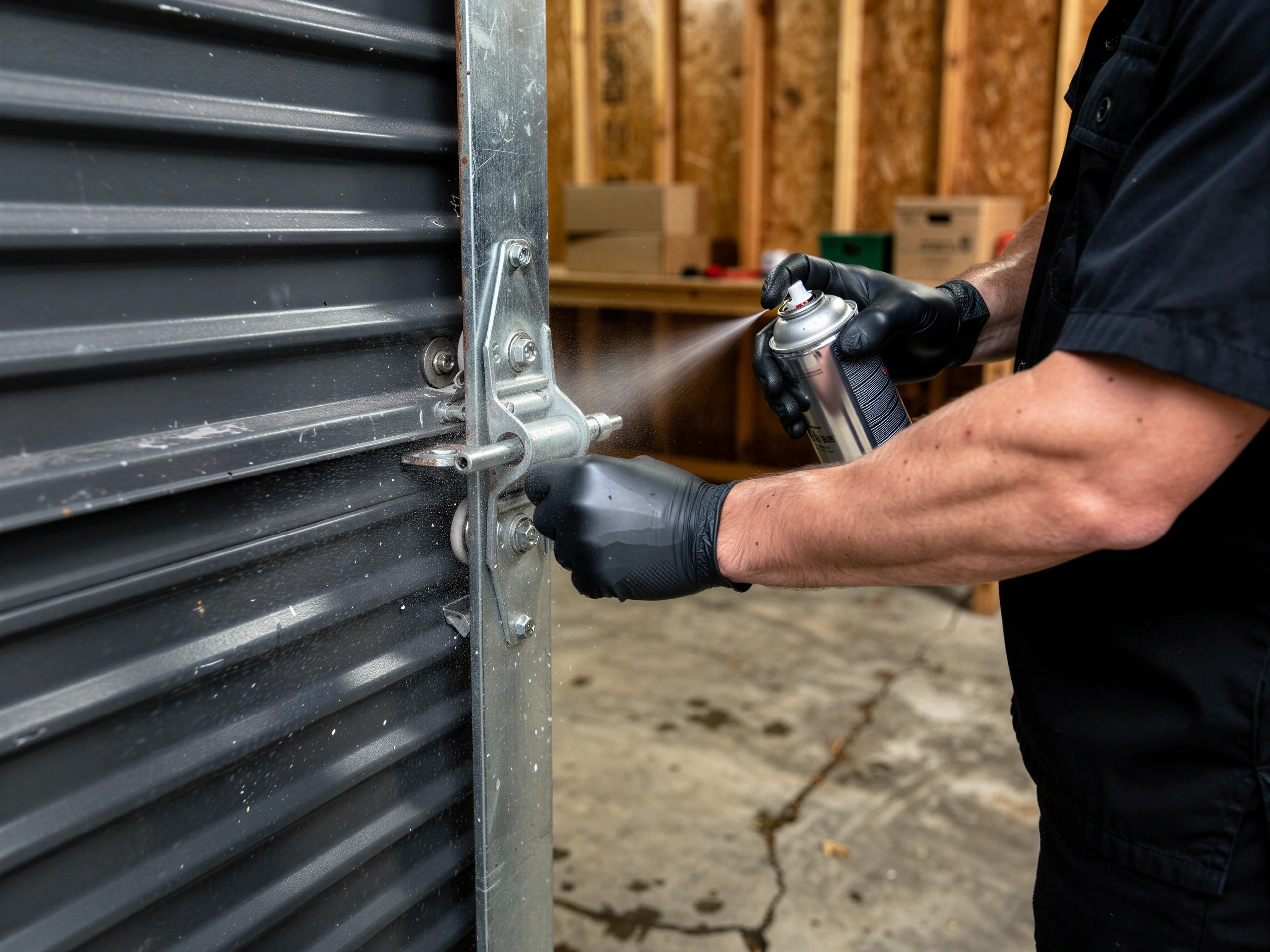
Garage Door Service
Harlem, GA homes mostly date to 1990, putting original torsion springs and openers past their working life. Learn more →
Maintenance
Harlem homes run newer stock than much of the Evans service area, but the 14-mile drive changes how maintenance here gets scheduled and bundled. Learn more →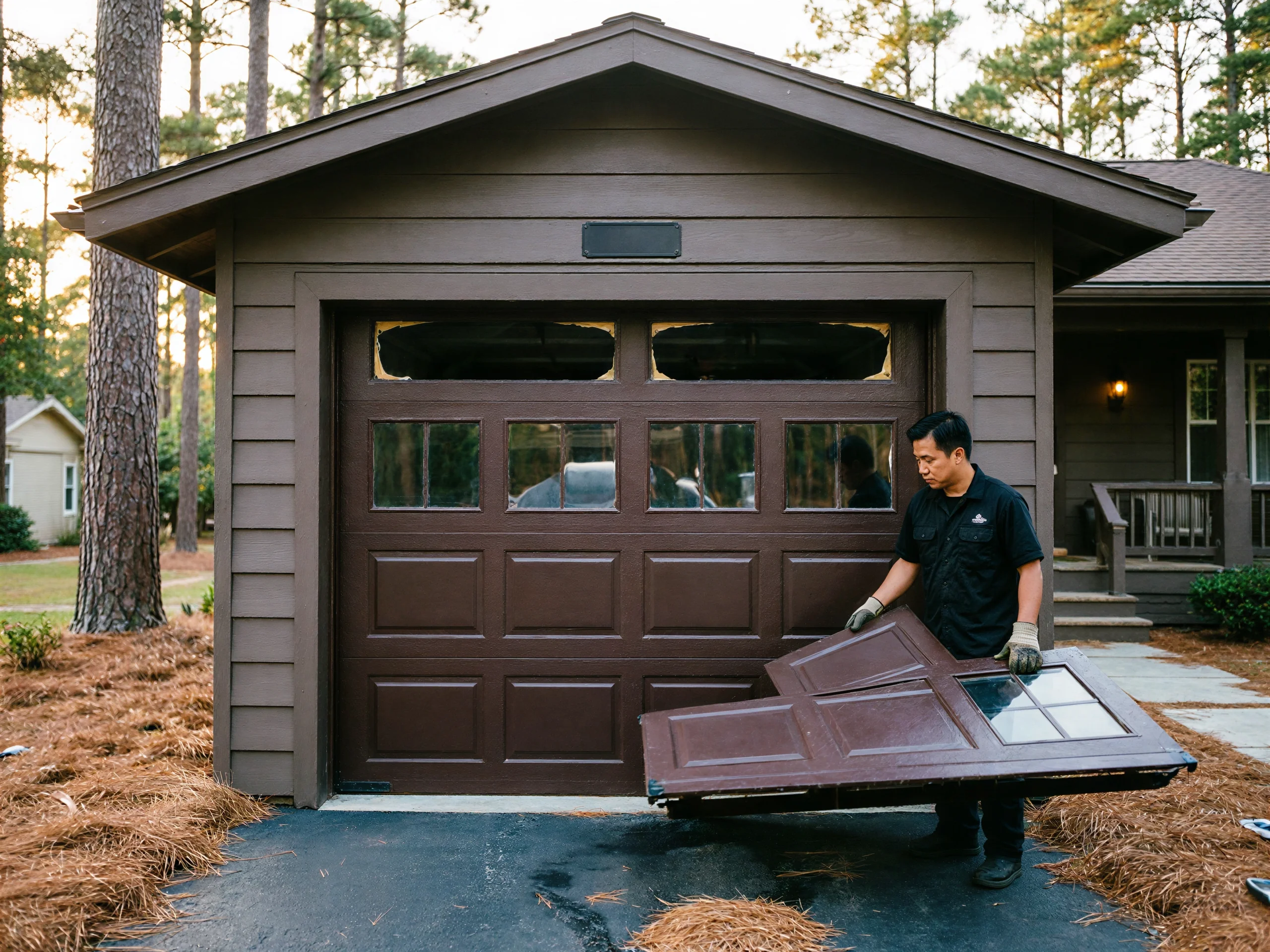
New Door Installation
Harlem homes built around 1990 carry steel doors and openers now pushing 30 years old. Learn more →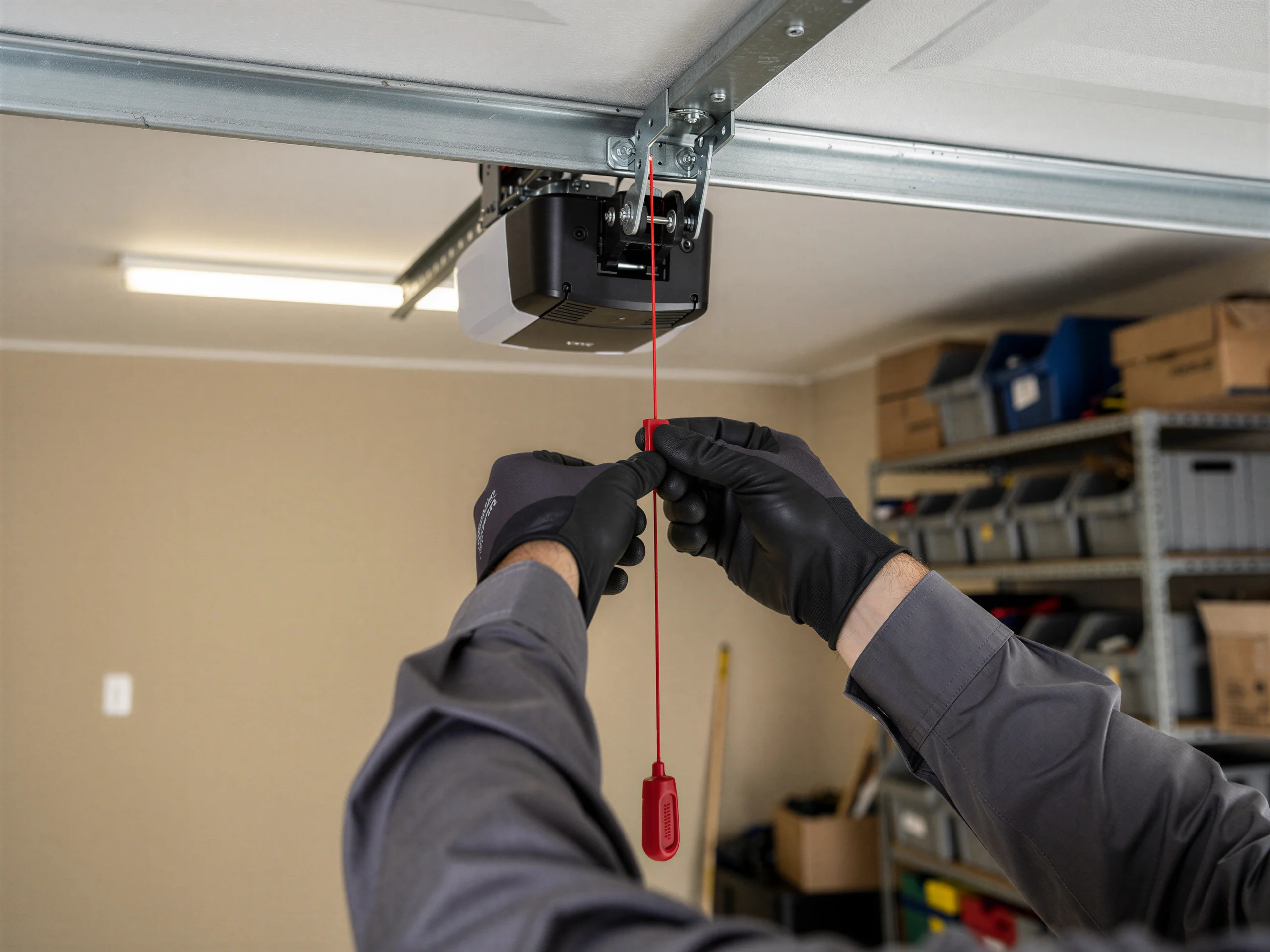
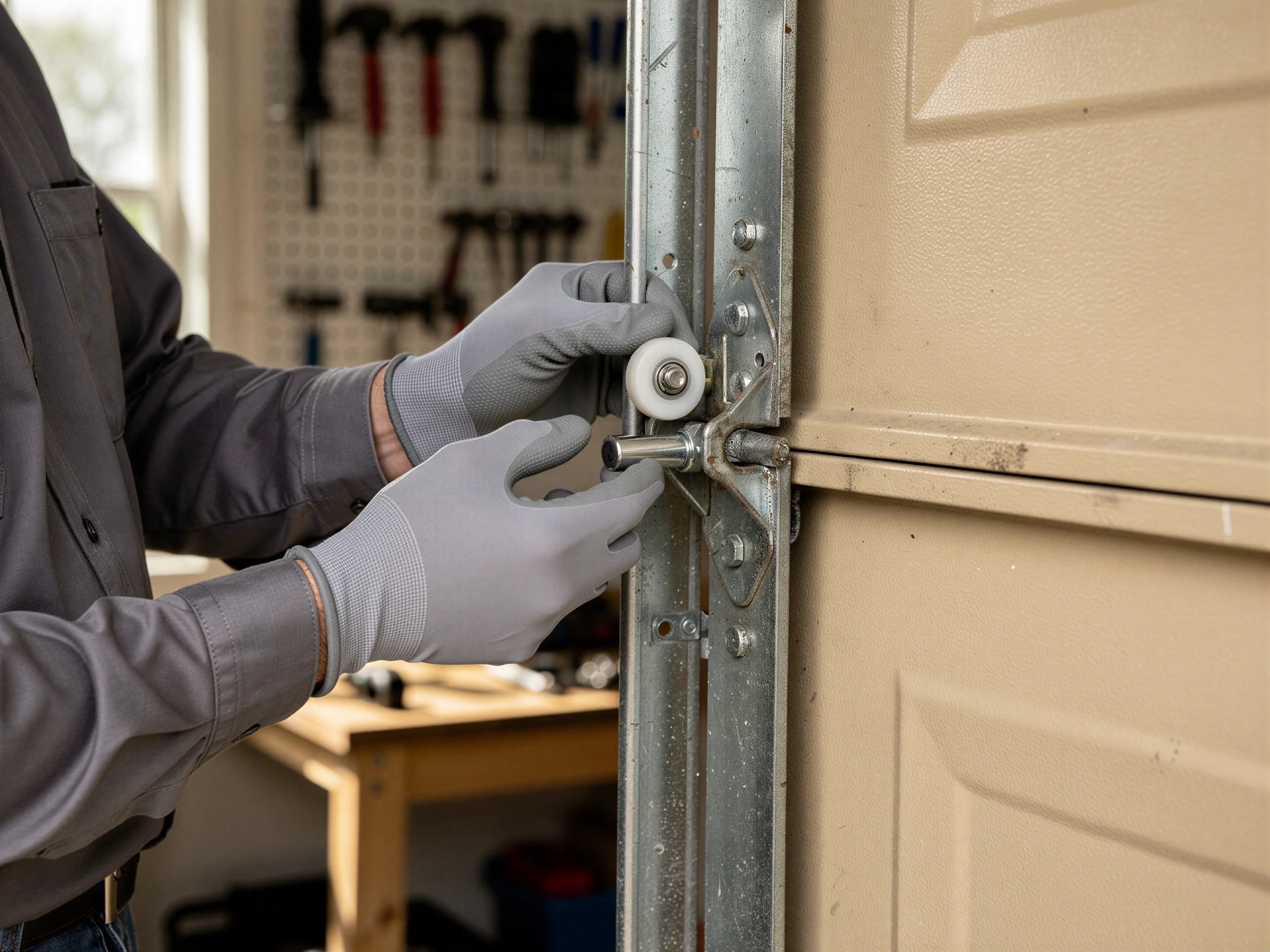
Roller Replacement
Harlem homes built around 1990 share the same builder-grade rollers as the rest of the Evans service area. Learn more →Ready when you are
Cracked or dented door panel in Harlem?
Evans Garage Door Pros repairs and installs garage doors, springs and openers in Evans, GA and the surrounding area.