 Is Your Evans Garage Door Worth Fixing, or Done
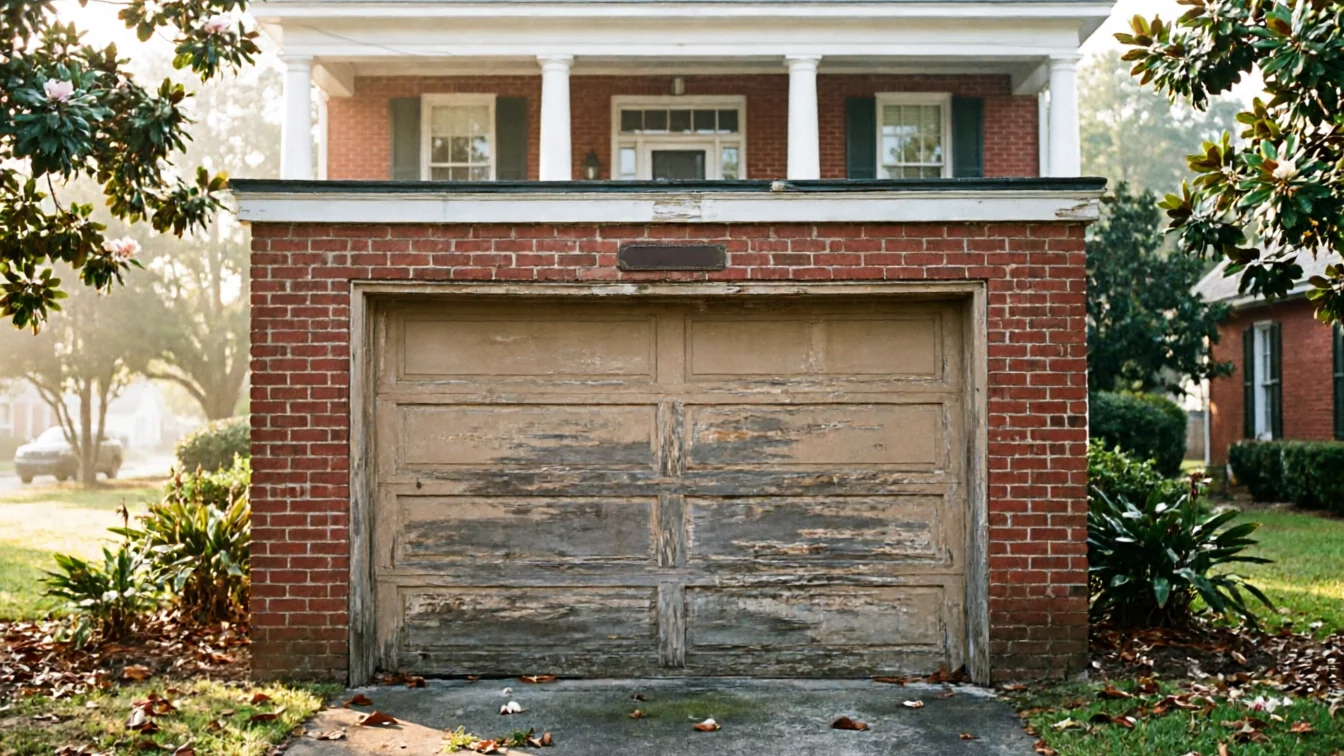
Most Evans homes were built between 1978 and 2007.
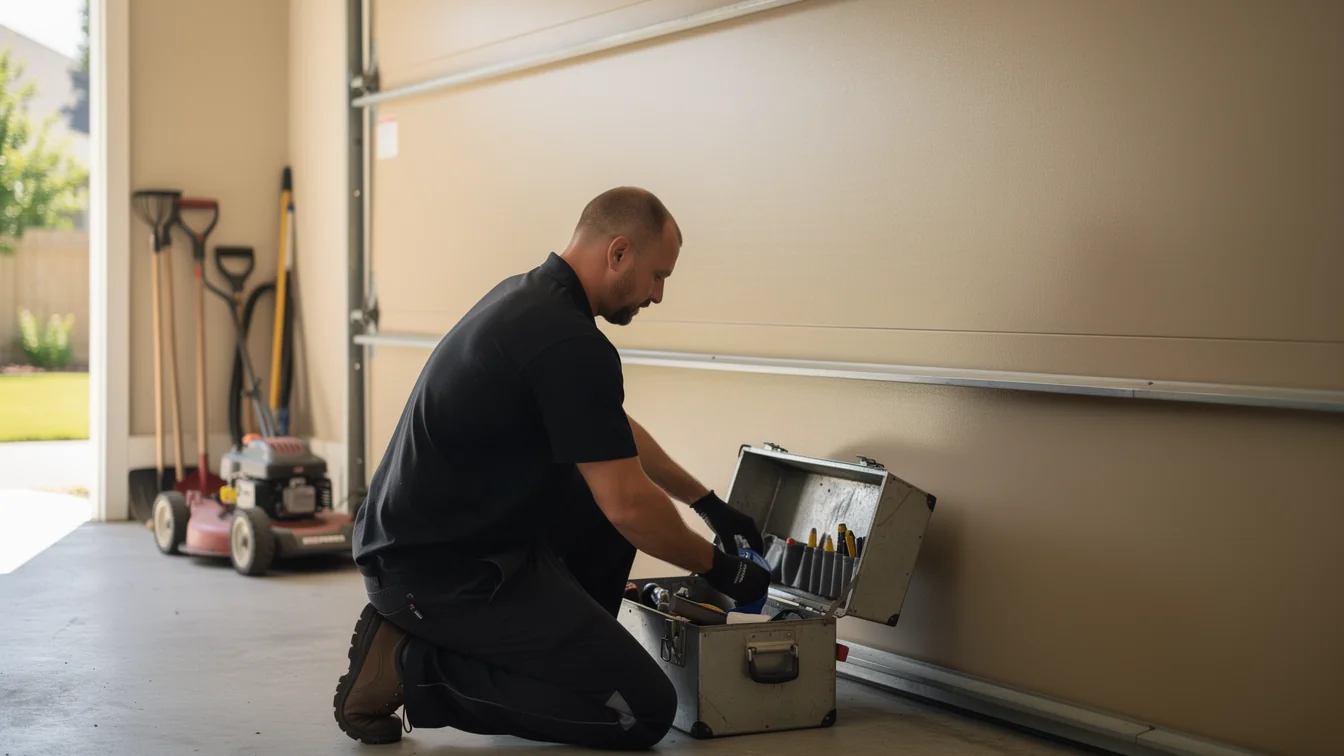
What Actually Happens When a Tech Shows Up in Evans
Most Evans houses were built between 1978 and 2007, so a real service call checks age-specific wear on springs, rollers, and openers from that exact era.
Local detail
What the Weather Here Does to It
Evans sits in a moderate heat climate band, which doesn't sound dramatic, but it means steel track and torsion springs go through real expansion and contraction every day, not just seasonally. On a door that faces west or south, the panel skin heats up, the hardware behind it doesn't heat at the same rate, and over years that mismatch works bolts loose and dries out factory lubricant faster than the sticker on the opener suggests. Nylon rollers get brittle in sustained heat and start chattering months before they actually break. None of this is storm damage. It's slow wear from a climate that never gets cold enough to remind you the door needs attention, so a lot of homeowners here don't think about the door until it won't open. A service call in this band isn't chasing ice or frost heave - it's chasing heat-cycled hardware, stiff lubricant, and UV-cracked weatherstripping on the sun side of the garage. That's a different set of symptoms than a northern climate shows, and it changes what we actually look for first.
The area
The Problem
Most of the houses we work on in Evans and the surrounding service area were built between 1978 and 2007, with the bulk of that stock going up in the 1980s and 90s. That matters because a door and opener installed when a house was built in, say, 1988 is now in its fourth decade, and torsion springs rated for a working life measured in cycles - not years - have usually been replaced at least once, sometimes with the wrong spring size for the door weight. We see a lot of extension-spring setups from that era still running on the original safety cables, or openers with worn drive gears that were never swapped when the motor itself got replaced. The problem isn't that these doors are unsafe by design. It's that mixed-generation hardware - original track, replacement spring, newer opener - doesn't always talk to each other the way a matched system does. A tech has to identify which parts are original to the house and which were swapped in later before touching anything.
What we find
Season by Season
In a moderate heat climate, the biggest swings aren't snow to sun, they're the shoulder months when temperatures move up and down daily instead of settling. Spring and fall put the most cycles of expansion and contraction on steel components in a short window, which is when we see the most spring and roller failures relative to calendar days. Summer heat is steadier but harder on rubber and plastic - weatherstripping, roller bearings, and opener belt material all degrade faster under sustained heat than they do in a single hot week. We don't get the hard freeze-thaw cracking that shows up in colder regions, so concrete apron damage and ice-jammed tracks aren't on our list. What is on the list: lubricant that's gone thin and gummy by August, and bolts that have backed out from months of thermal cycling nobody noticed because the door still opened fine.
How we work
What to Check
Given housing stock from 1978 to 2007, here's where we start on almost every call: the spring type and whether it matches the door's actual weight, not just what's installed; the condition of nylon rollers if the house is on original 1980s-90s hardware; and whether the opener has been replaced without the drive gear or belt being replaced alongside it. Check your own door by listening for grinding or chatter when it travels, and look at the weatherstripping on the sun-facing side for cracking. One honest limit here: if your opener is original to a house built in the 1980s, parts for it are often discontinued, and a repair can cost more than a straightforward opener swap. We'll tell you that straight instead of patching a 35-year-old unit just to bill a visit.
Questions
Common questions
My house was built in the late 1980s - is the opener probably original?
It's possible, especially if nobody's mentioned replacing it. Openers from that era usually have chain drives and simpler logic boards. If yours is original, parts availability is limited, and we'll generally tell you a replacement makes more sense than chasing discontinued components.
Why does my door get noisier in the summer?
Heat thins out lubricant and makes nylon rollers more brittle, so worn parts that were quiet in cooler months start chattering once temperatures climb. It's wear that was already there, just more audible once the heat band kicks in.
Do you deal with ice-related damage?
Not really - this area sits in a moderate heat climate band, so we don't see the freeze-thaw cracking or ice-jammed track issues that come up in colder regions. Our calls here trend toward heat-cycled hardware and UV wear instead.
How do I know if my spring is the wrong size for my door?
A mismatched spring usually shows up as a door that feels too heavy or too light when you lift it manually with the opener disconnected. Given how many homes here have had springs replaced at least once since the 1980s-2000s build era, a size mismatch is common enough to check first.
Recommendation
You Might Also Like
More garage door guides for Evans homeowners.
Is Your Evans Garage Door Worth Fixing, or Done
Most Evans homes were built between 1978 and 2007.
 Evans Garage Doors: Openers, Power Cuts, and the Houses Behind Them
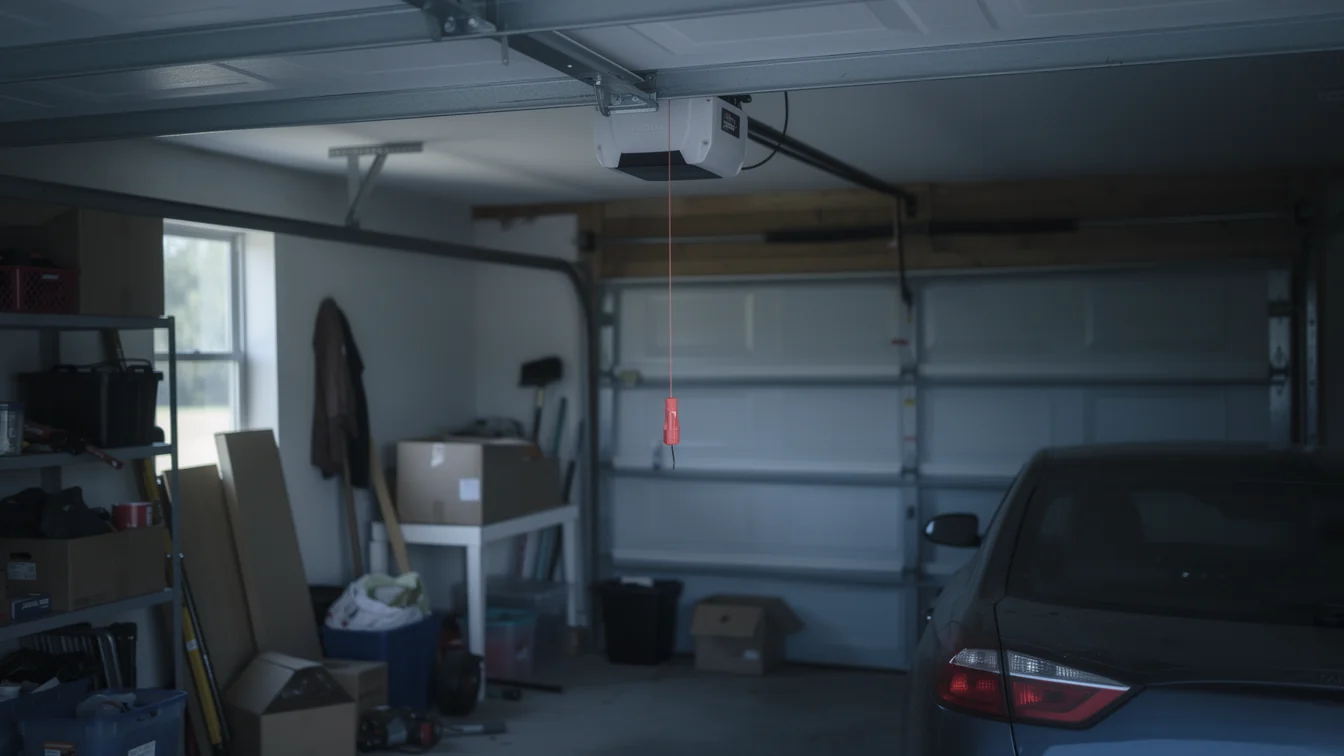
Evans, GA homes built 1978-2007 run original garage door openers past their prime.
 Garage Doors Built for Evans Homes, 1978 to Today
Evans Garage Door Pros fixes springs, openers, and panels on the 1978-2007 housing stock common across Evans and nearby Columbia County neighborhoods.
Ready when you are
Need a garage door sorted in Evans?
Evans Garage Door Pros repairs and installs garage doors, springs and openers in Evans, GA and the surrounding area.