Harlem, Evans
Garage Door Maintenance for Harlem Homes
Harlem homes run newer stock than much of the Evans service area, but the 14-mile drive changes how maintenance here gets scheduled and bundled. Book ahead.
What You Are Seeing
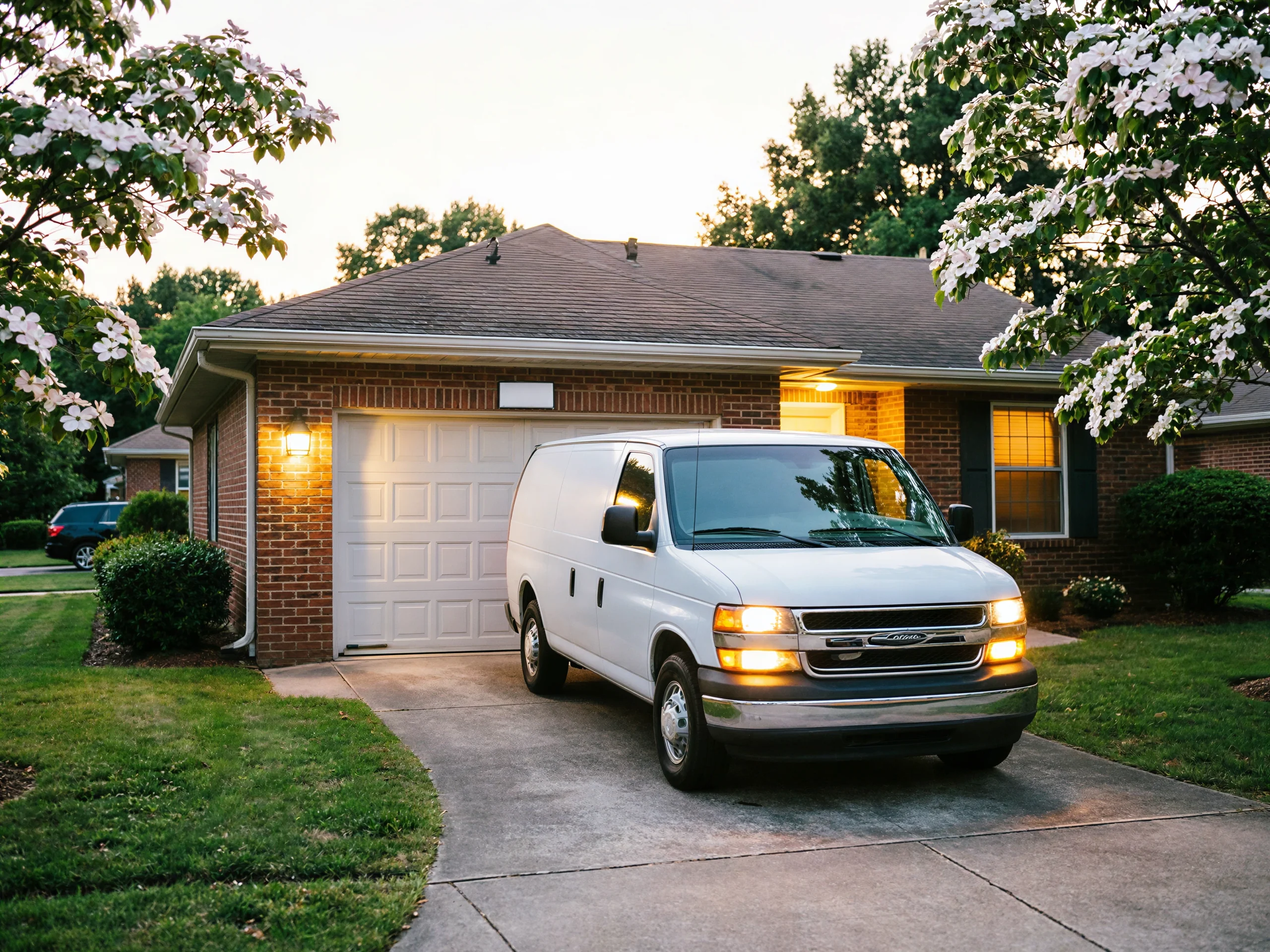
Harlem sits 14 miles out from our Evans truck, which is the first thing that shapes how a maintenance call here actually works. We don't run a second crew out of Harlem, so a tune-up visit gets scheduled as a planned stop, not a same-day add-on the way it might for a closer suburb.
Booked not rushed
If you call wanting someone out in the next hour to lube a noisy roller, that's not what this is - maintenance here gets booked, not squeezed in. Once the truck is on-site, what we're usually looking at is hardware from a door built around 1990, which is the median build year for houses in this part of the service area.
Newer hardware profile
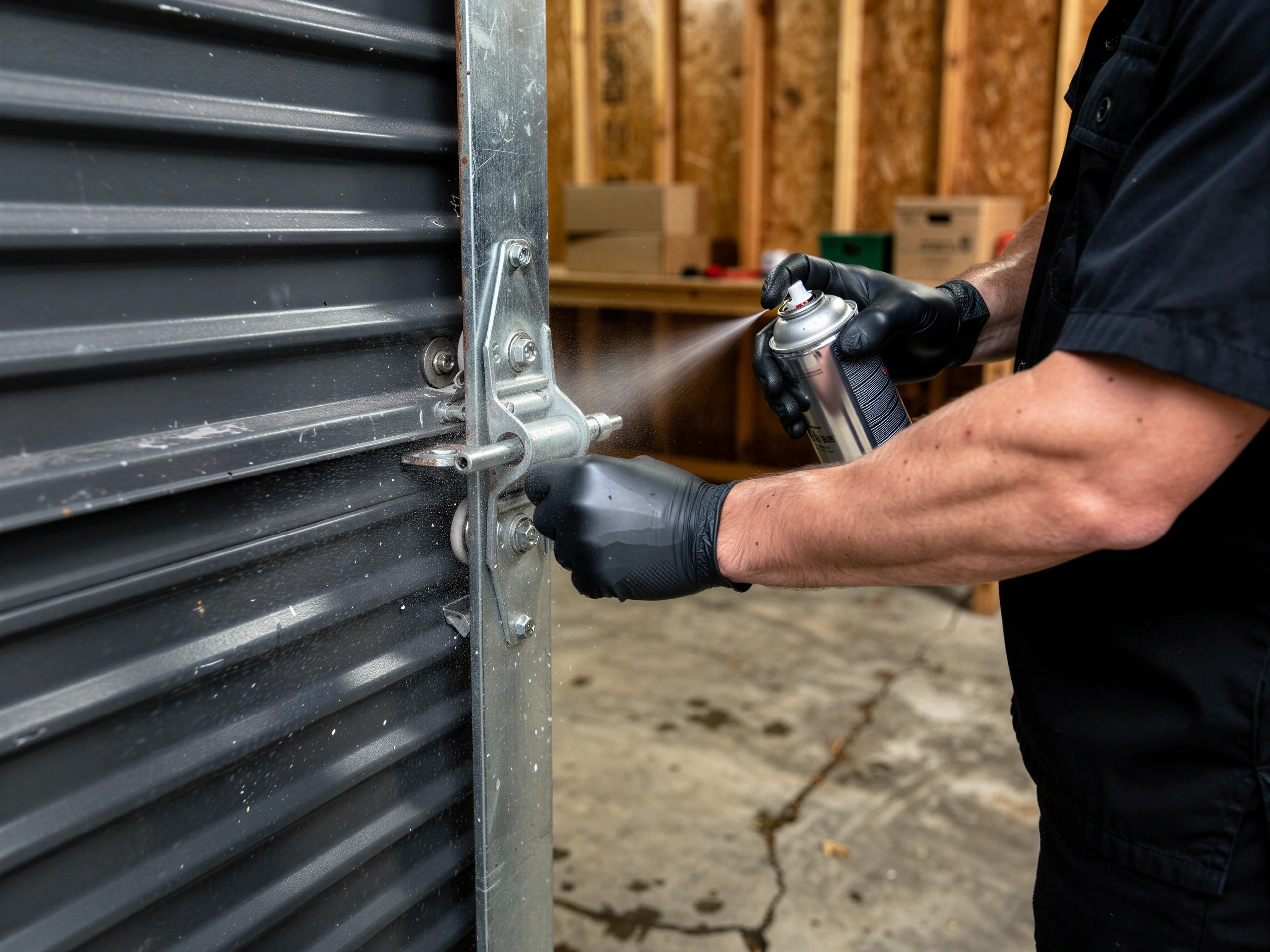
That's newer than a lot of what we see closer to Evans - springs sized for lighter sectional doors, factory openers with circuit boards instead of mechanical relays, torsion systems that were still fairly standardized by then.
Predictable wear points
The failure points are predictable: worn nylon rollers, opener gears that have gone through two decades of belt or chain wear, and weatherstripping that's cracked from UV rather than been torn by impact. We're not diagnosing a specific unit sight-unseen - this is the general pattern a 1990-era door in this area tends to show by the time someone calls.
Where This Job Goes Sideways
The thing that turns a routine maintenance stop into a second trip is almost always a part we didn't know we needed until the door was open.
Near-failure spring or capacitor
On a 1988-1990 door, that's usually the opener motor capacitor or a spring that's at the end of its cycle count but hasn't snapped yet - still working, just close enough to failure that lubing it and calling it done would be a bad call on our part.
Limited truck inventory
Because this is a planned-route stop, not a local branch visit, we can't always carry every part on the truck for every possible job. If a maintenance visit turns up something that needs an uncommon opener board or a spring size we don't stock standard, that may mean a second trip once the part is in.
Skipping visits risky
We'd rather tell you that now than pretend every job wraps in one visit. The other way this goes sideways: skipping the visit because nothing sounds broken yet. A door that's quiet can still have a spring near the end of its rated cycles or a track bolt working loose behind the drywall. Maintenance here is cheaper than the emergency call that follows when one of those lets go.
Getting It Booked In
Because the drive from Evans is part of the job, we schedule Harlem maintenance stops in advance rather than treating them as walk-up availability. If you're setting up a tune-up, it helps to flag anything odd ahead of time - a grinding opener, a door that drifts when half-open - so we bring the right parts instead of diagnosing on arrival and coming back later.
We don't advertise a guaranteed arrival window for Harlem the way we might closer to the shop, since the 14-mile stretch means timing depends on what else is on the route that day. What we can do is confirm a day and get you an estimated window once the truck is loaded.
If what you actually need is a repair rather than routine upkeep - a spring that's already broken or a door that's off its track - that's handled through our general garage door service in Harlem page, not this one. Maintenance is the preventive visit; that page covers the break-fix side.
Why It Happens Here
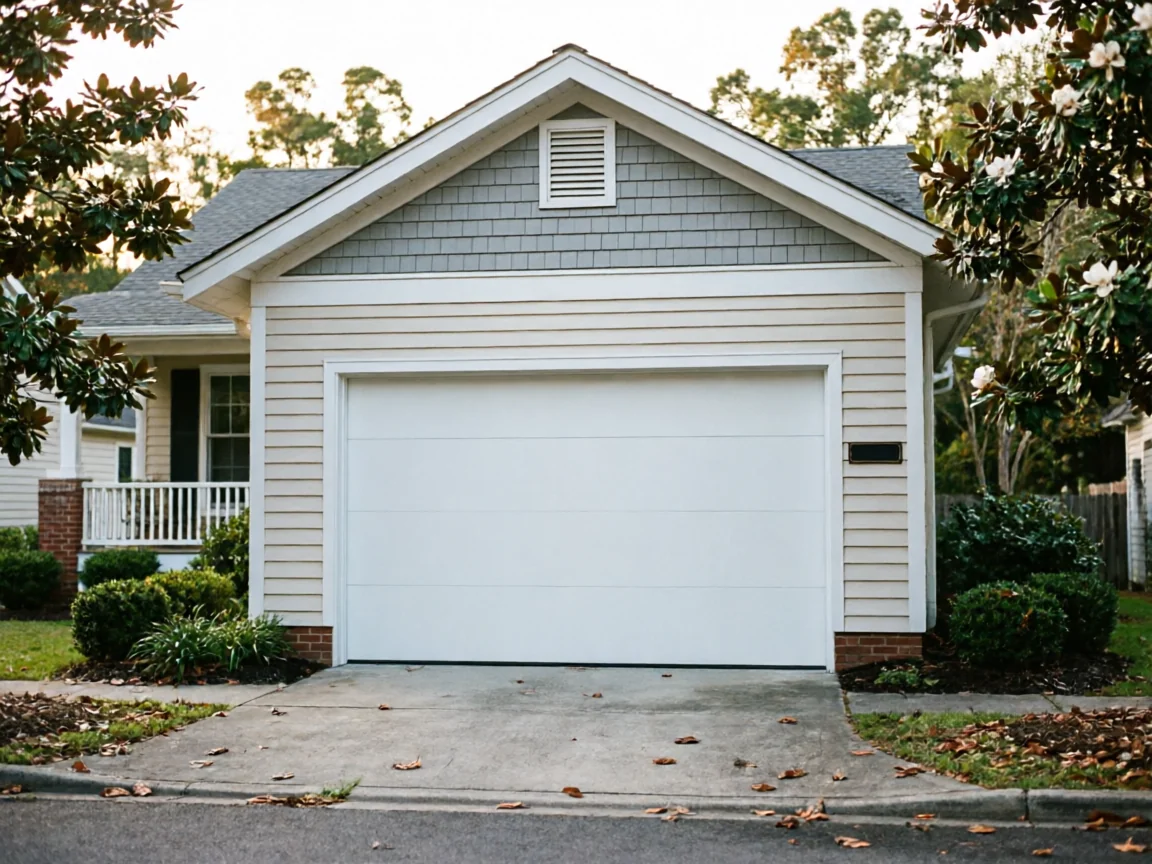
Housing in Harlem and the surrounding suburbs mostly went up between 1978 and 2007, with the bulk of it, and the local median, landing around 1990. That's meaningfully different from the older pockets closer to Evans, and it matters for maintenance because the failure modes aren't the same. You're less likely to find a one-piece door on side-mount hardware out here and more likely to find a sectional door with a mid-90s chain-drive opener that's simply logged a lot of cycles.
Income is the other number worth naming plainly: median household income in Harlem runs around $43,571, noticeably below the $60,702 median across the broader service area. That's not a reason to skip maintenance - it's a reason maintenance makes more financial sense here, not less. A $40 roller replacement now is a lot cheaper than a full spring-and-cable job later, and on a tighter household budget that gap matters more, not less.
Climate here runs in the moderate-heat band for this region, which is gentler on rubber seals and lubricant than a harsher climate would be, but it still breaks down weatherstripping and dries out grease over years of summer heat.
What Is on the Truck
For a standard Harlem maintenance stop we carry the parts that cover a 1990-era door: standard torsion springs in common residential sizes, nylon and steel rollers, opener drive belts and chains, lubricant rated for the heat this area sees, and basic sensor and wiring parts for photo-eye alignment.
No pre-1960s parts
What we don't carry as standard stock is anything built for an unusually old door - a door from the 1960s or earlier with original hardware - since that's rare in this part of the service area and we'd rather order the right part than force a fit.
Replacement talk in person
If your maintenance visit turns into a conversation about full replacement rather than repair, that's a separate decision, and one we'd rather talk through in person than push over the phone. Not every worn door is worth repairing past a certain point, and we'll say so if that's where yours is.
Broader services elsewhere
For anything beyond maintenance - full repairs, new installs, broader service across the area - see the Evans garage door maintenance page, which covers the service area as a whole rather than this one suburb.
Questions
Common questions
Do you have a crew based in Harlem?
No. We run out of Evans and cover Harlem as part of the service area, about 14 miles out. Maintenance visits here get scheduled in advance rather than offered as same-day walk-up service, since the drive is part of planning the route.
How old is a typical garage door in Harlem?
Most houses in this part of the service area were built between 1978 and 2007, with the median landing around 1990. That means sectional doors with mid-era chain or belt-drive openers are more common here than the older one-piece doors you'll find closer to Evans.
Is maintenance worth it if nothing sounds wrong yet?
Yes. Springs and opener gears wear out quietly, especially on doors approaching 30 years old. A tune-up now, lubricant and a roller or two, costs far less than the emergency call after a spring snaps or a track bolt lets go.
What if the tune-up turns into a bigger repair?
Sometimes a maintenance visit turns up a spring or opener part close to failure. We'll tell you plainly rather than patch it, and if we don't have the part on the truck that day, that may mean a second scheduled trip.
Explore more
More Services in Harlem
Emergency Garage Door
Fast emergency garage door repair for Harlem, GA, where most houses went up around 1990, served by Evans Garage Door Pros, about 14 miles away in Evans, GA. Learn more →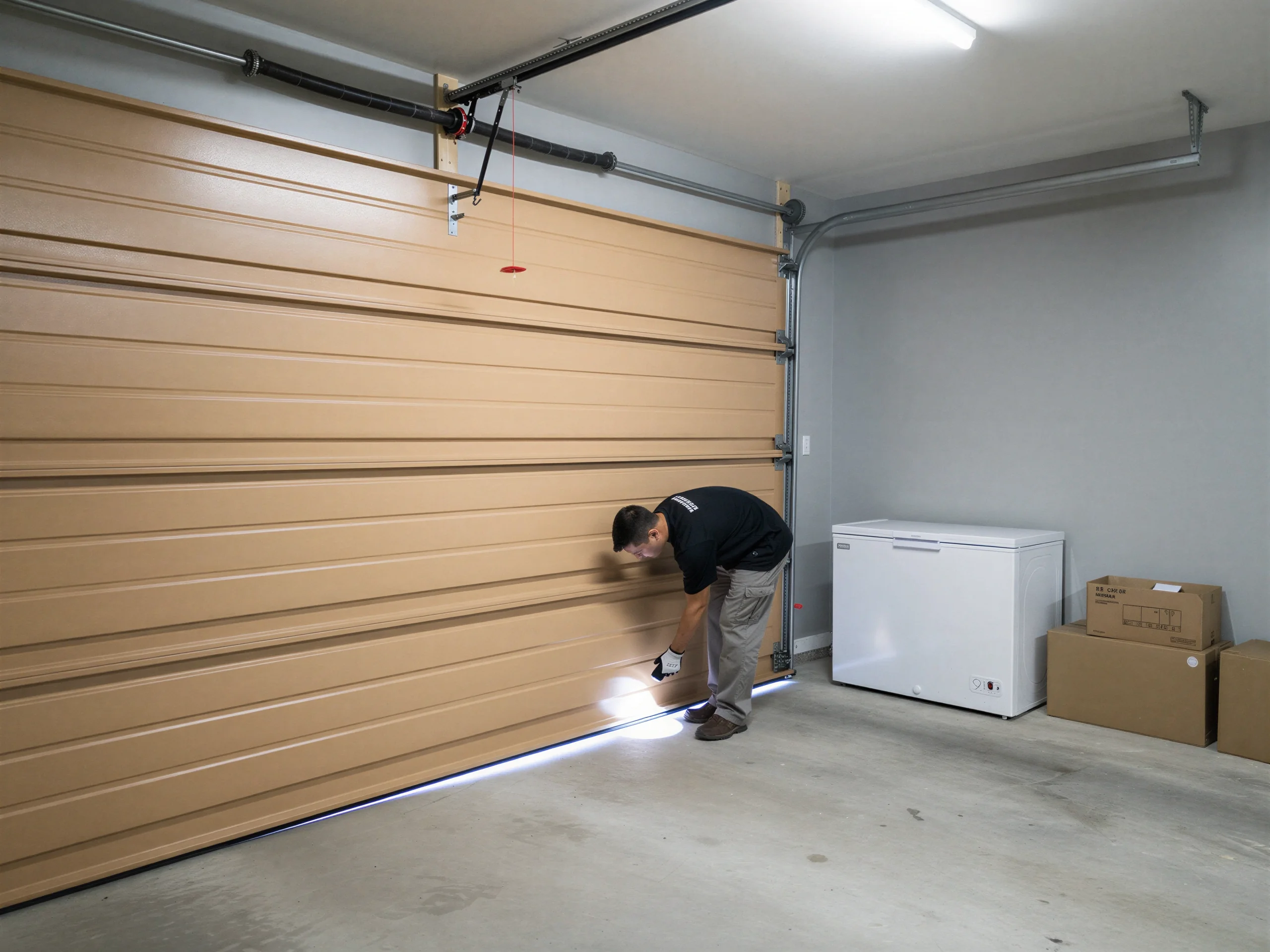
Garage Door Repair
Garage door repair for Harlem homes built mostly in the late 1980s and early 1990s. Learn more →
Garage Door Service
Harlem, GA homes mostly date to 1990, putting original torsion springs and openers past their working life. Learn more →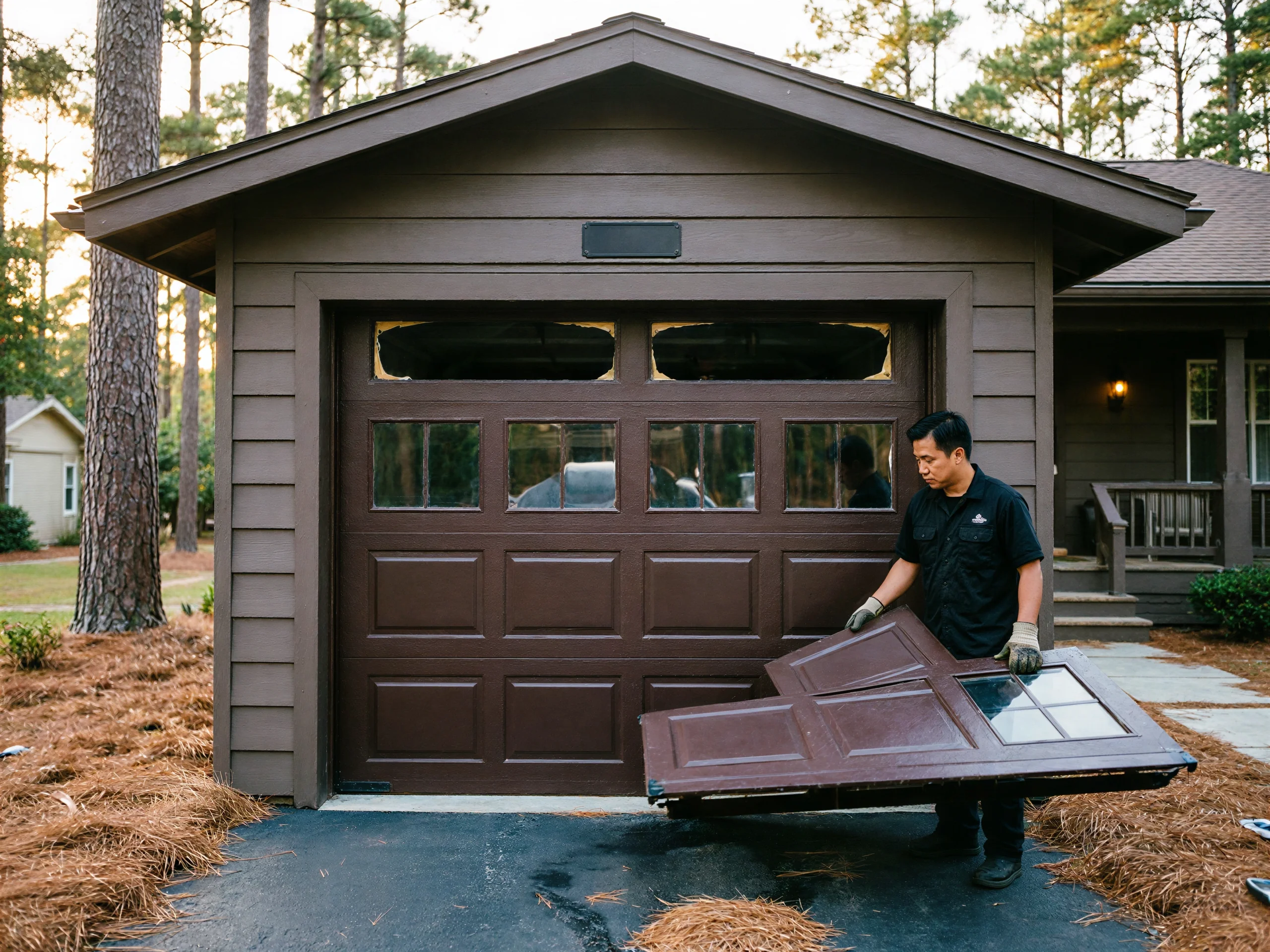
New Door Installation
Harlem homes built around 1990 carry steel doors and openers now pushing 30 years old. Learn more →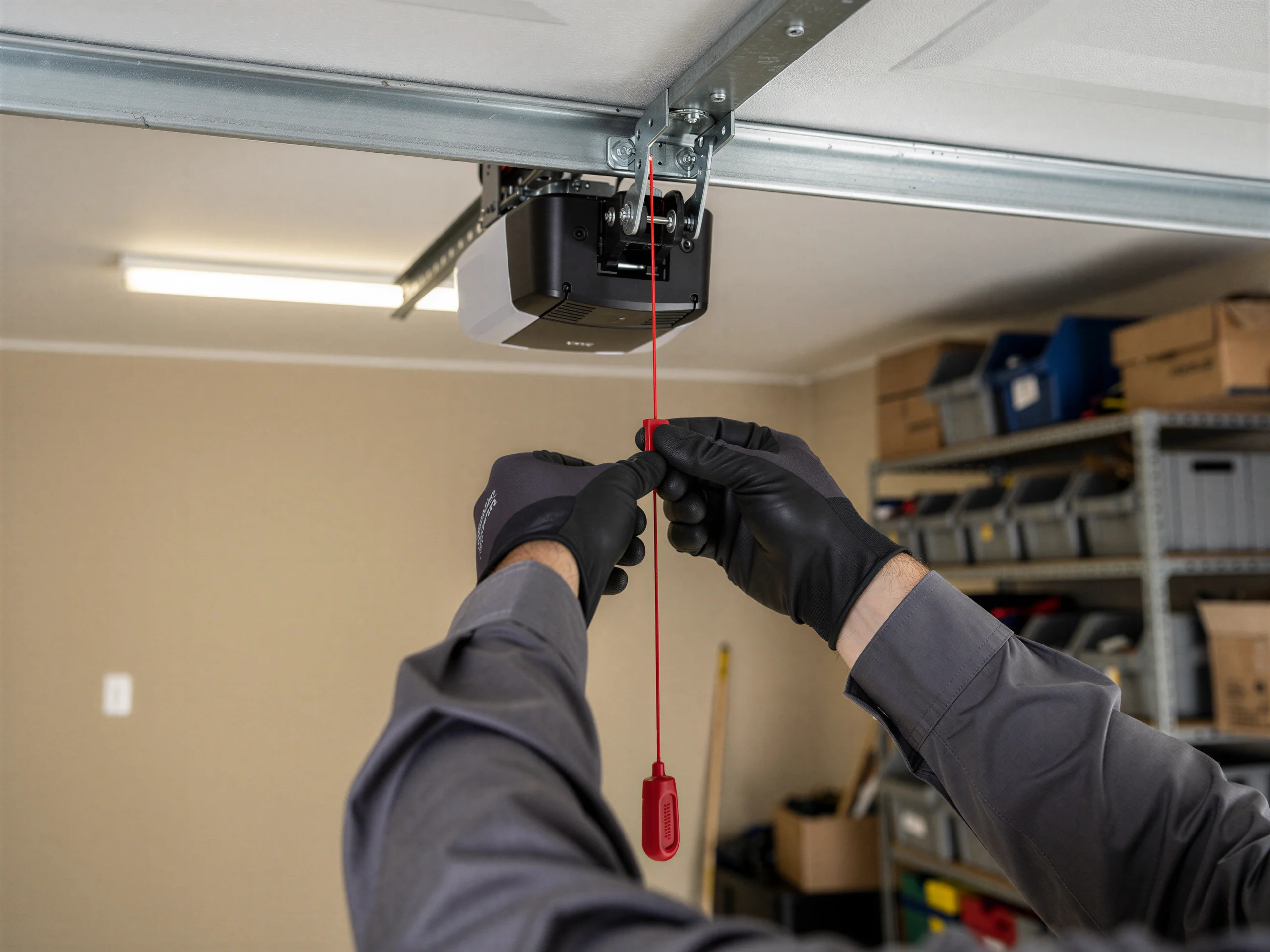
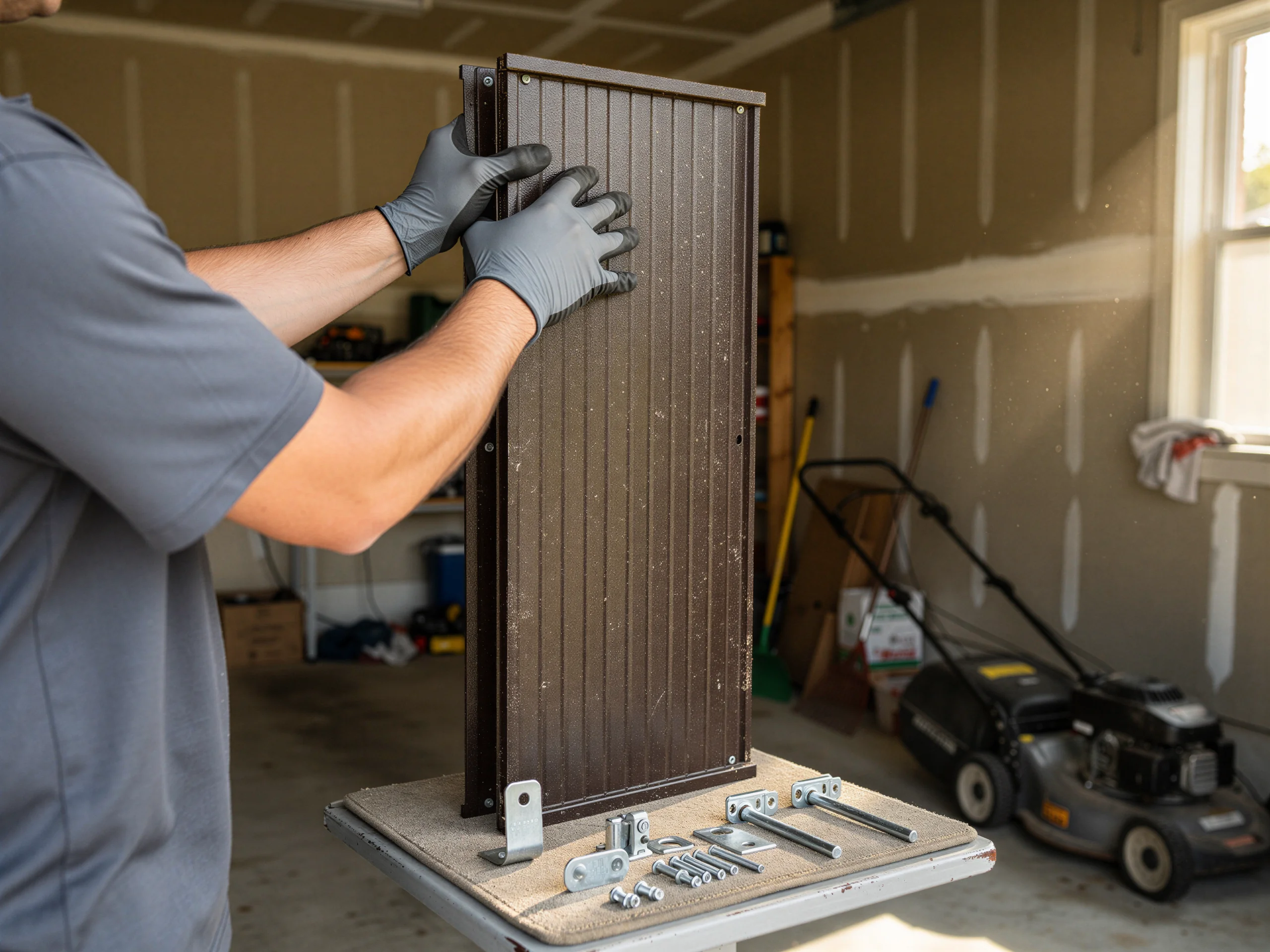
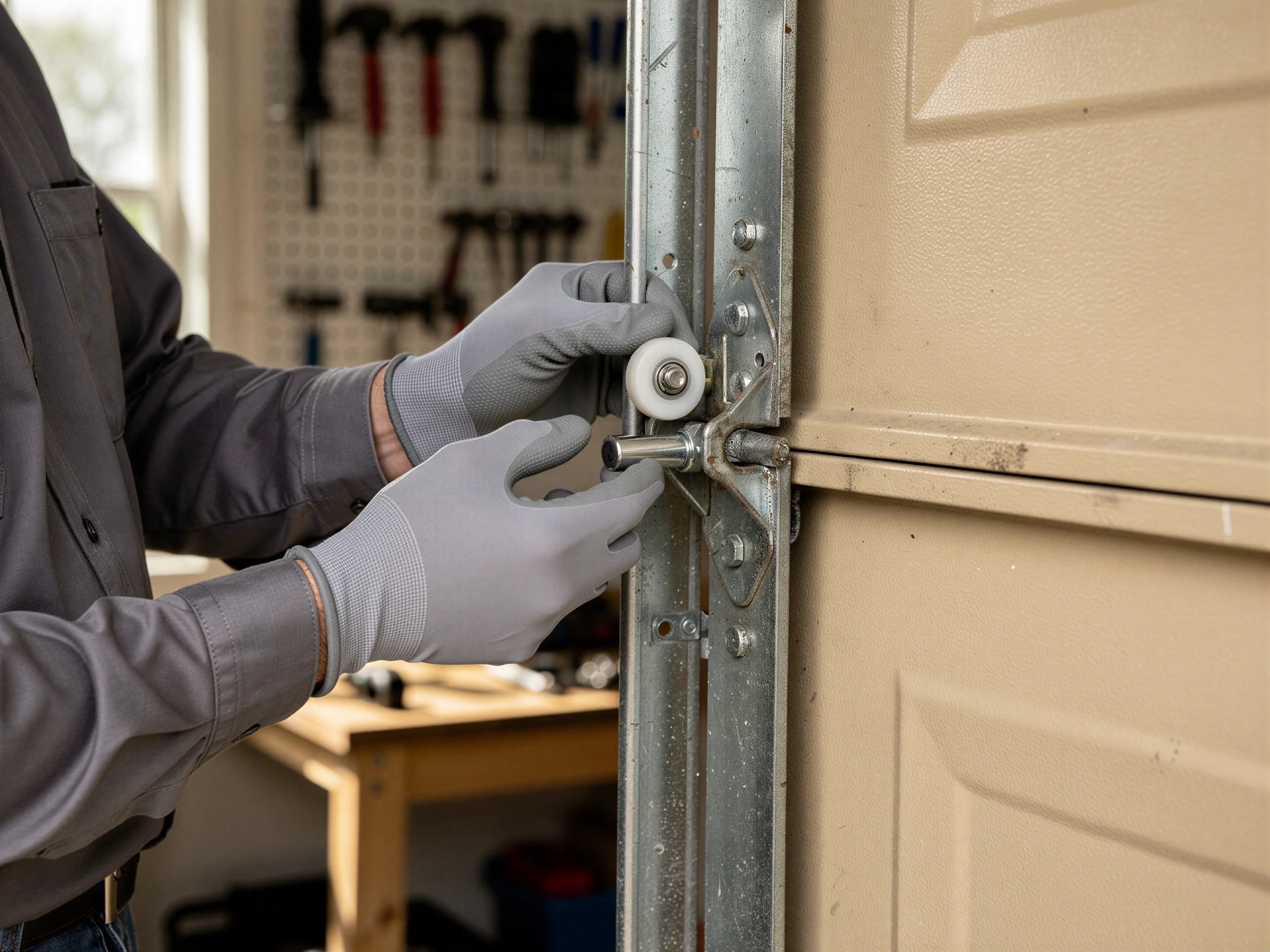
Roller Replacement
Harlem homes built around 1990 share the same builder-grade rollers as the rest of the Evans service area. Learn more →Ready when you are
Time for a garage door tune-up in Harlem?
Evans Garage Door Pros repairs and installs garage doors, springs and openers in Evans, GA and the surrounding area.